Exterior Flexible Stone for Outdoor Wall Panels
Outdoor wall panels, wall cladding, and façades are exposed to UV radiation, rain, humidity, temperature changes, and repeated weathering throughout their service life. For this reason, outdoor suitability should be evaluated through overall material performance rather than a single property such as colour stability.
Flexible stone, also known as MCM flexible stone, is a modified inorganic powder composite material. Its outdoor performance is related to its material composition, composite structure, surface treatment, weathering resistance, and installation system.
For exterior applications, the substrate, adhesive, installation method, and complete wall construction are also important. The adhesive should provide full coverage, with additional adhesive requirements for exterior wall applications according to the specified installation system.
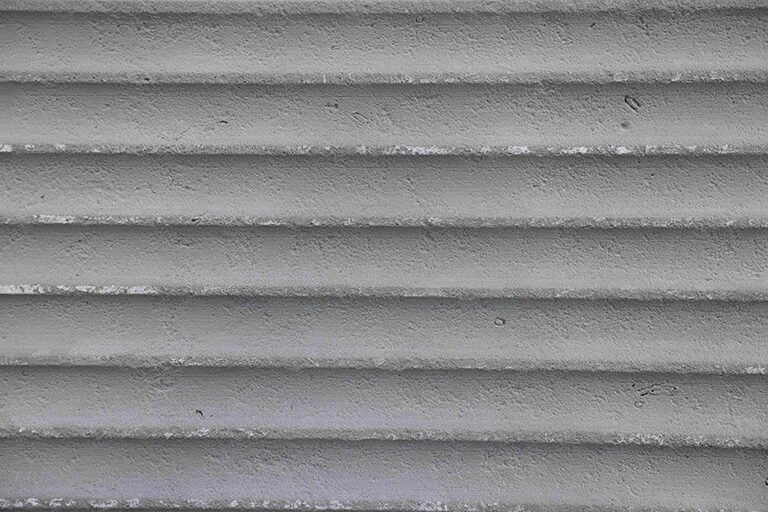
What Makes Flexible Stone Suitable for Outdoor Use?
Flexible stone is designed as a lightweight, flexible mineral-based surface material rather than a conventional rigid stone or tile. Several characteristics contribute to its suitability for exterior applications.
Inorganic Mineral-Based Composition
Material composition is one part of outdoor performance. Romantic Stone’s technical documentation identifies the material as a modified inorganic powder composite material. The supplied MSDS lists quartz and mineral powder among the primary components, together with water-based emulsion, water-based ink, colour pigment, and fiberglass mesh.
This mineral-based composition forms the foundation of the MCM flexible stone system. However, outdoor performance should not be attributed to the mineral composition alone. The complete material structure, surface treatment, manufacturing process, and installation system also need to be considered.
Composite Material Structure
Flexible stone is produced as a composite material rather than as a simple decorative colour layer. Its performance involves the interaction of mineral components, reinforcing materials, surface layers, and the manufacturing process.
For the tested Romantic Stone configuration, the supplied SGS report records a flexural strength of 18.2 MPa under EN 14617-2:2016.
This is a laboratory result for the tested specimen and should not be treated as a universal value for every product, thickness, texture, or installation condition.
How Does UV Exposure Affect Flexible Stone?
UV exposure is one of the major factors affecting the long-term appearance of exterior materials. Continuous exposure can contribute to colour change, chalking, and other forms of surface deterioration.
Rather than relying only on claims such as “UV resistant,” accelerated weathering tests provide measurable evidence of how a tested material responds to controlled environmental exposure.
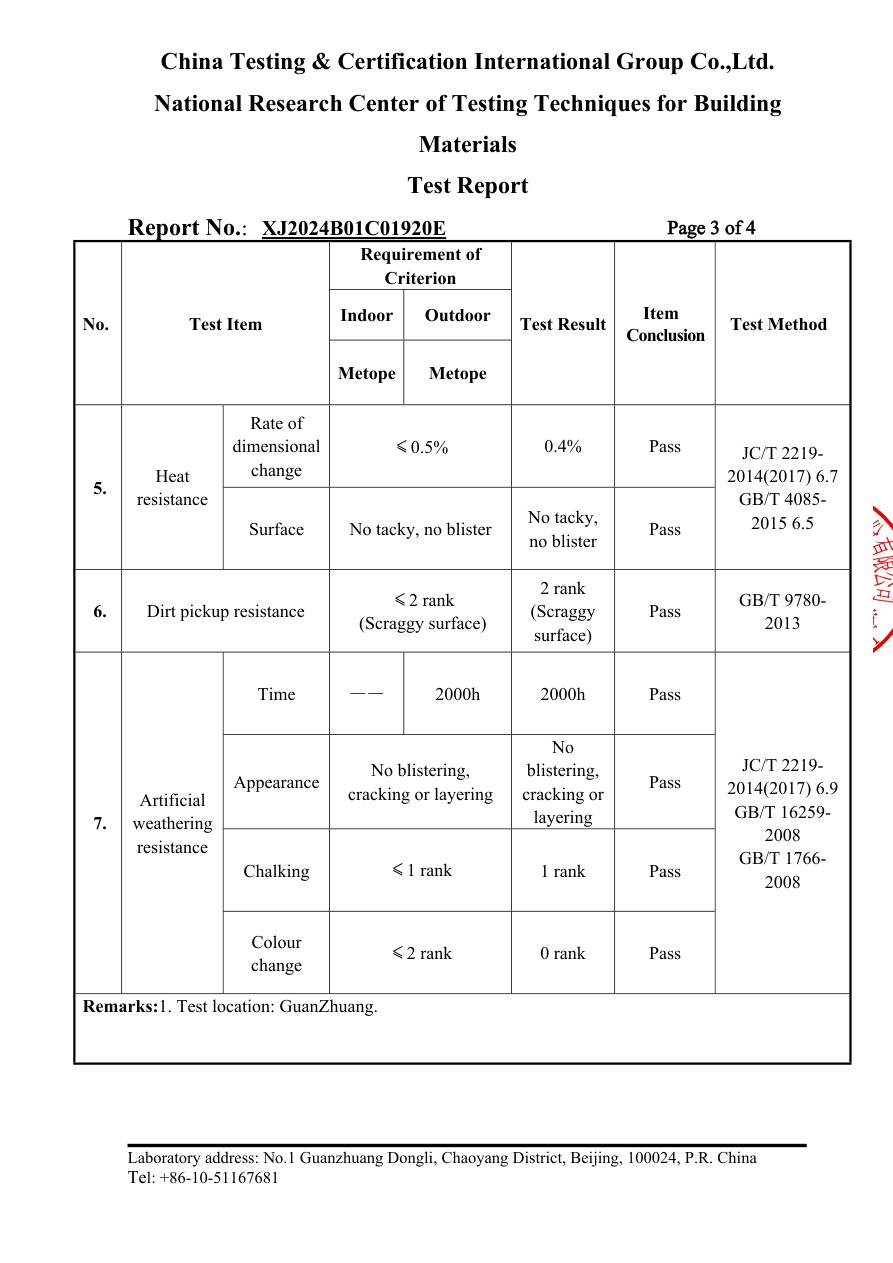
For Romantic Stone, the supplied CTC test report records 2,000 hours of artificial weathering. The tested sample achieved:
- Colour change: Grade 0
- Chalking: Grade 1
- No blistering
- No cracking
- No layering
The testing references JC/T 2219-2014 (2017), GB/T 16259-2008, and GB/T 1766-2008.
What Does a 2,000-Hour Weathering Test Tell Us?
An accelerated weathering test exposes a material to controlled environmental conditions to evaluate changes over a defined period.
For flexible stone, the test can provide information about more than colour. It can also reveal visible deterioration such as:
- Chalking
- Blistering
- Cracking
- Delamination
- Colour change
In the supplied CTC report, the tested sample showed Grade 0 colour change after 2,000 hours, with no blistering, cracking, or delamination observed.
A 2,000-hour accelerated weathering result should be presented as a laboratory test result under specified conditions. It should not automatically be converted into a specific number of outdoor service years without supporting evidence.
Is Flexible Stone Suitable for Different Outdoor Conditions?
Outdoor exposure involves more than UV radiation. Exterior materials may also experience rain, humidity, temperature fluctuations, freeze–thaw cycles, and mechanical movement.
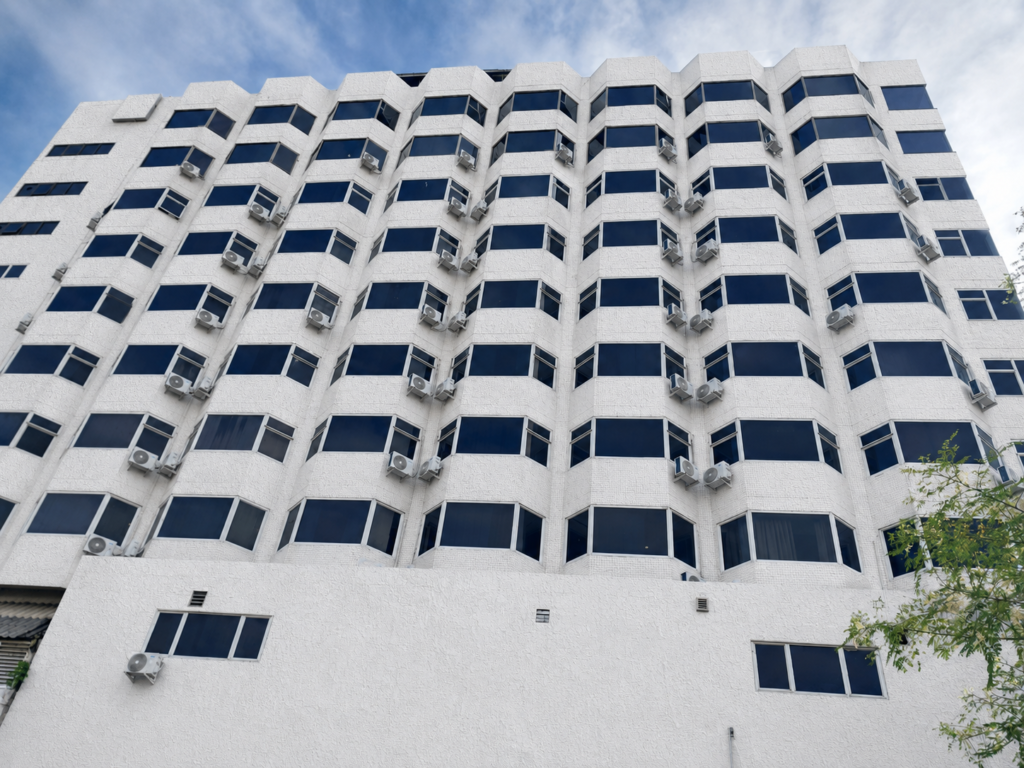
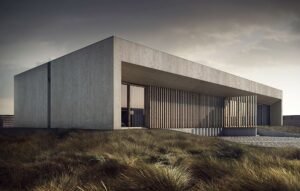
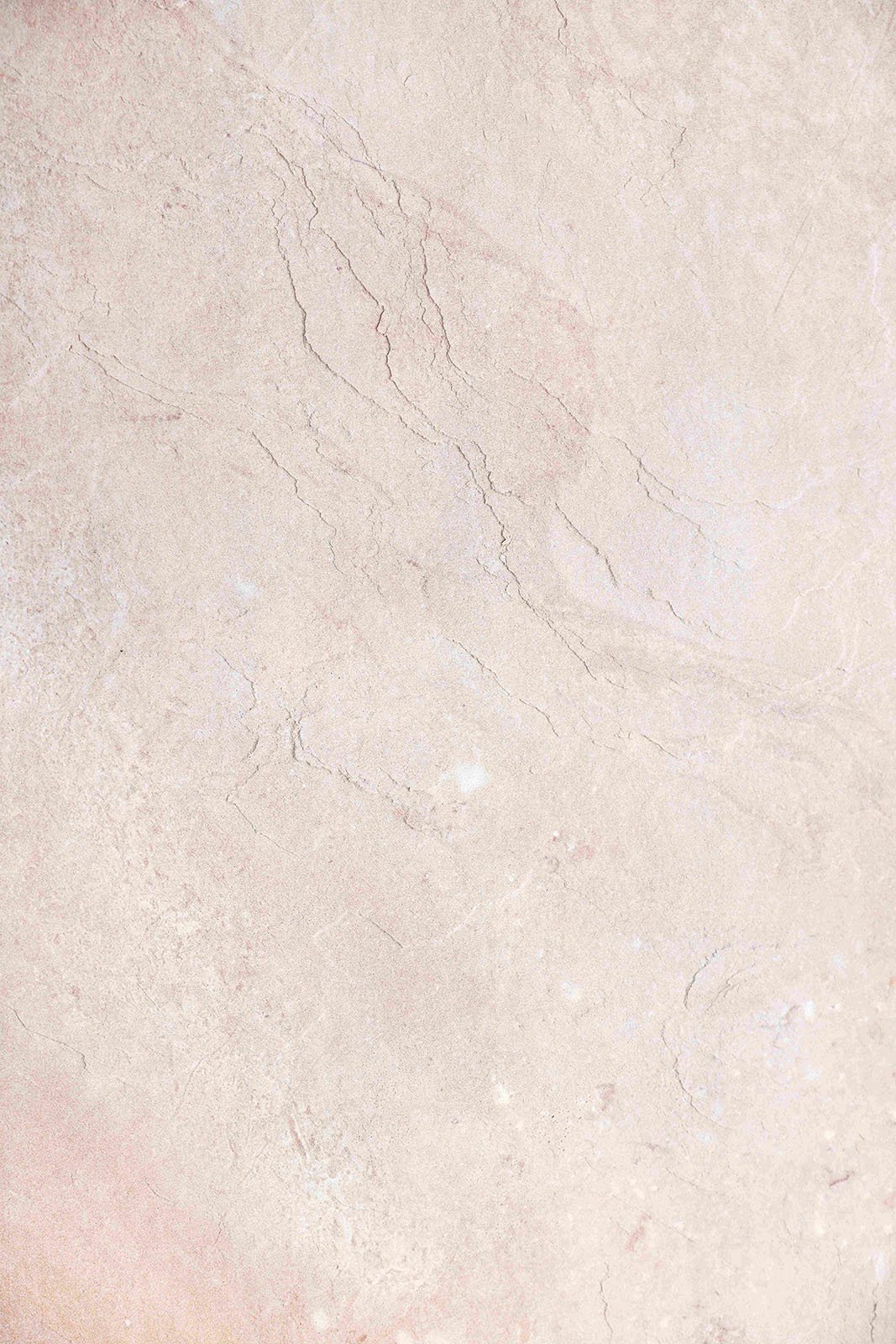
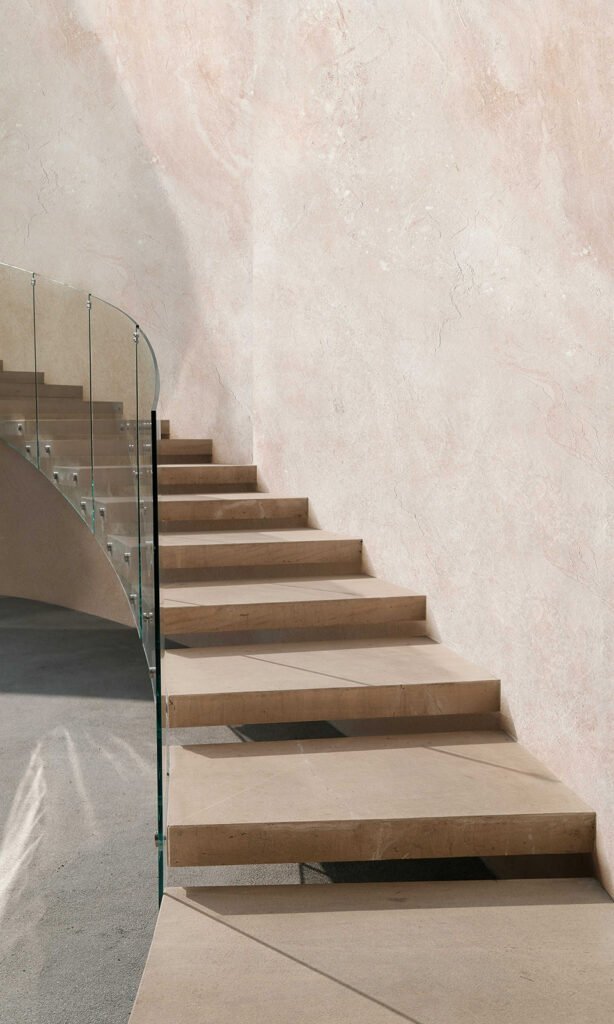
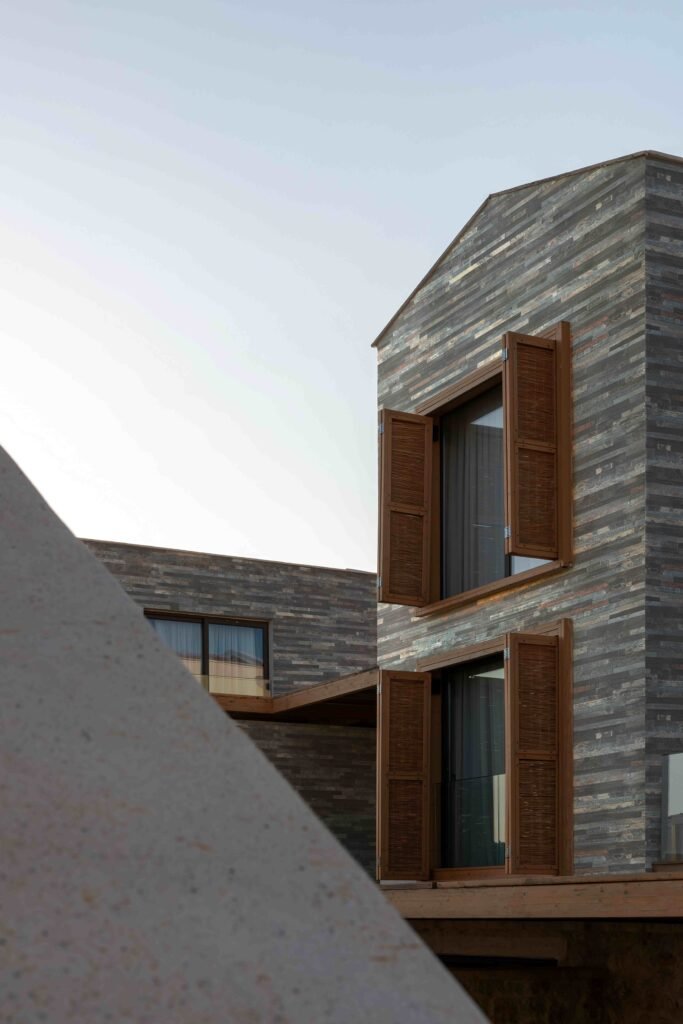
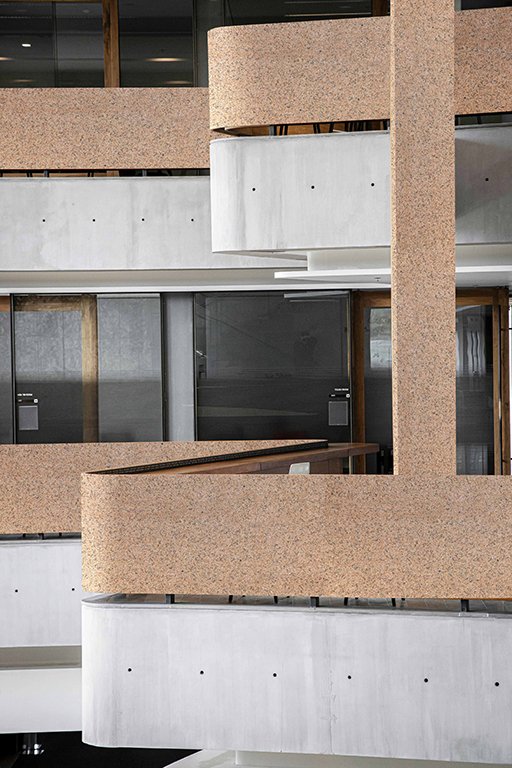
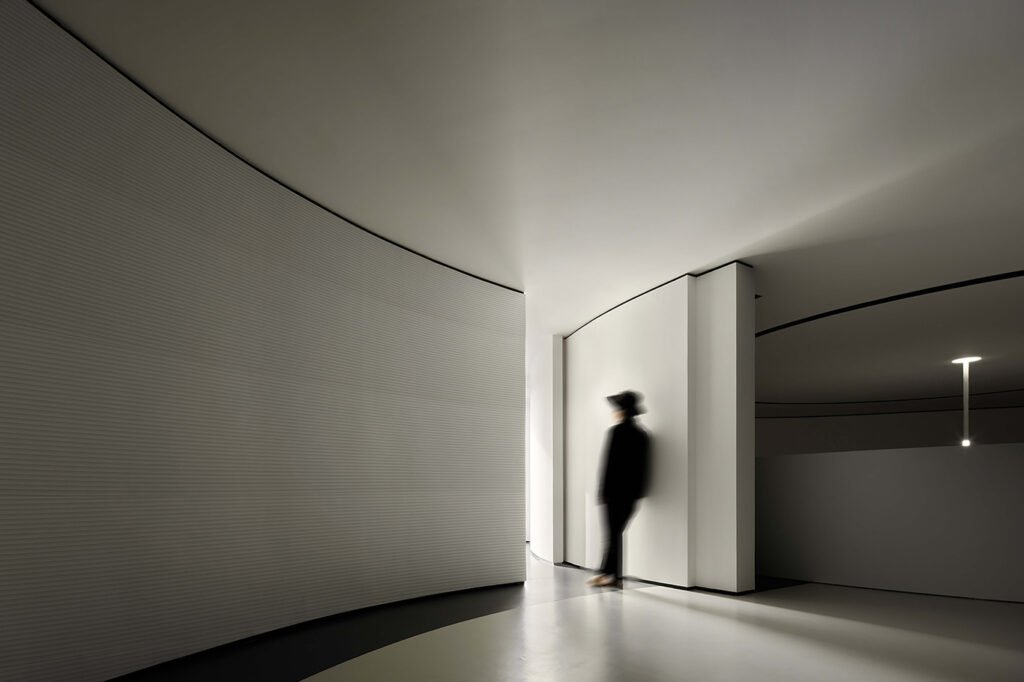
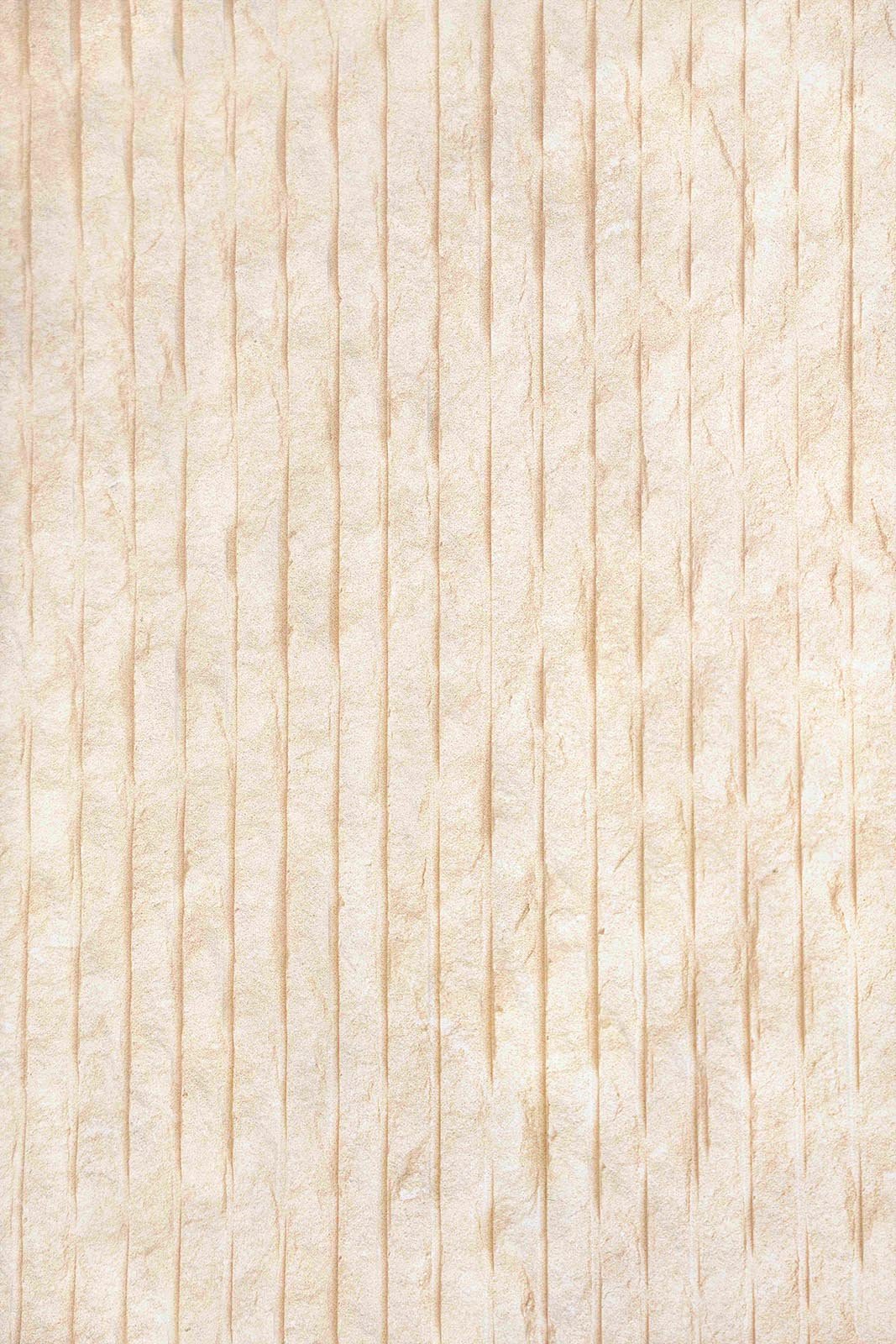
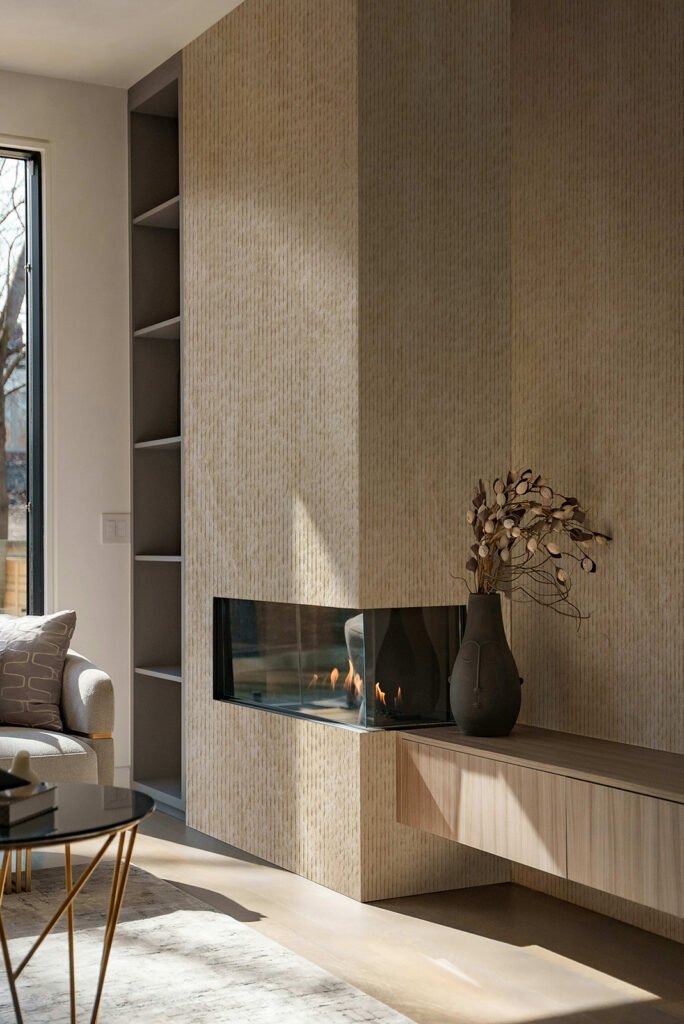
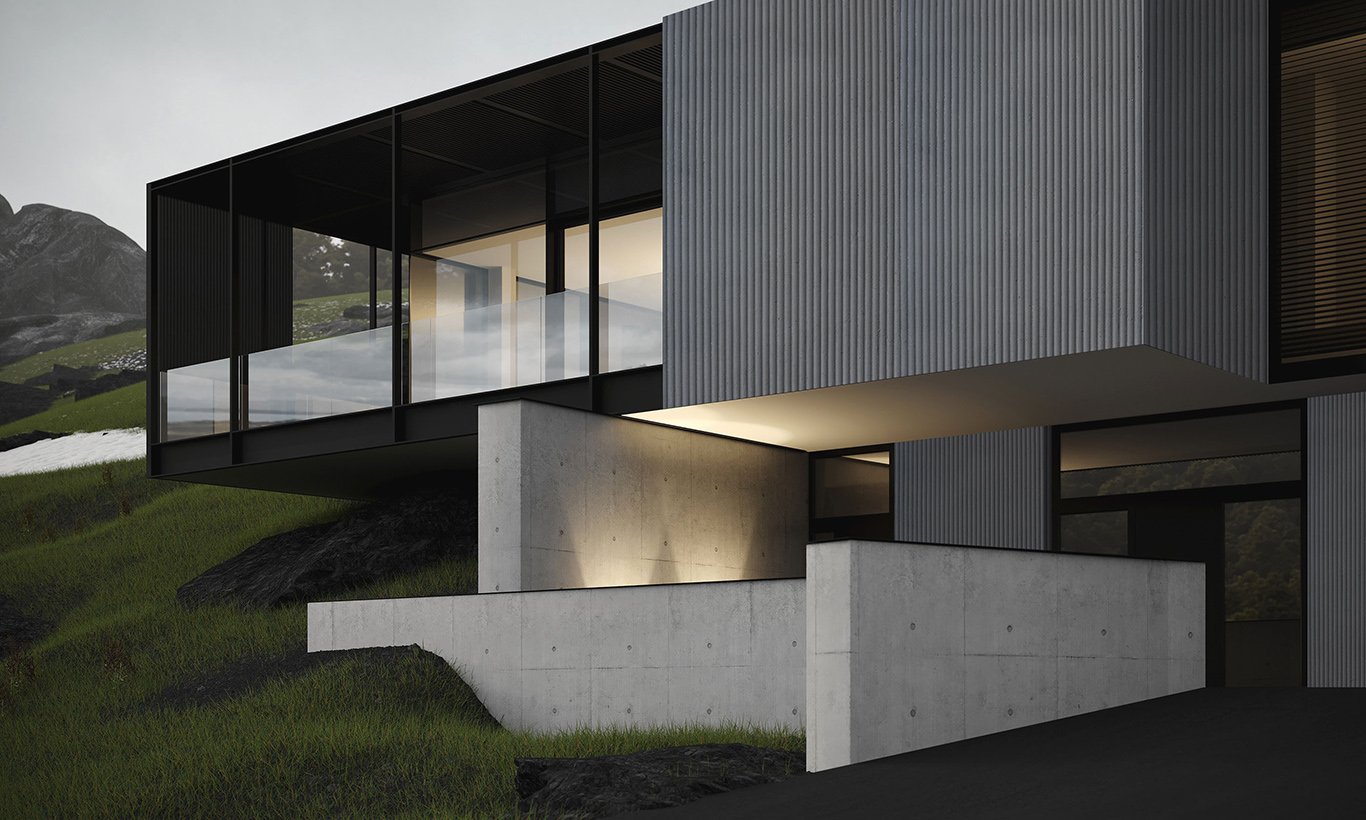
This exterior application shows how flexible stone can be used across large building facades, including curved wall sections and areas around windows and openings. The Lichi Marble in Grey White finish combines a natural stone texture with a lightweight flexible format for exterior wall applications.
Freeze–Thaw Performance
Freeze–thaw resistance is particularly relevant in climates where water and repeated temperature changes can create stress within exterior materials.
The supplied technical documentation separately records 25 freeze–thaw cycles, with 100% KMf25 flexural-strength retention for the tested material.
This result applies to the tested configuration and should be considered together with the product specification and installation system for a particular project.
Can Flexible Stone Be Used in Humid Areas?
Yes, flexible stone can be used in humid environments when the product and installation system are suitable for the application.
Romantic Stone products have also been used in a continuously humid showroom environment, including a fish-pond application. This provides a first-party application reference, but it should not be interpreted as a general claim that every flexible stone product is suitable for permanent water immersion.
For exterior applications, moisture performance should be evaluated together with the substrate, adhesive, joints, surface preparation, and drainage conditions.
What About Temperature Changes?
Temperature variation itself does not prevent flexible stone from being used outdoors. Romantic Stone products have been used in exterior applications in regions including Africa and Russia, where outdoor conditions can vary significantly.
The more important consideration is whether the material, substrate, adhesive system, installation method, and complete wall structure are appropriate for the project conditions.
Why Does Weight Matter for Exterior Wall Panels?
One practical difference between flexible stone and conventional stone or tile is its lightweight format.
Romantic Stone flexible stone products typically weigh approximately 3–6 kg/m², with a product thickness of approximately 1.2–4 mm, excluding the Bread Hole Travertine series.
Lower material weight can make panels easier to handle, transport, cut, and install. For exterior wall panels and wall cladding, these characteristics can also reduce the handling burden during installation.
However, lightweight construction does not eliminate the need for a properly designed wall system. Exterior performance still depends on substrate condition, adhesive coverage, joints, detailing, and installation workmanship.
Where Can Flexible Stone Be Used Outdoors?
Flexible stone wall panels can be considered for a range of exterior applications, depending on the specific product and installation system.
Typical applications include:
- Exterior wall panels
- Wall cladding
- Stone facade surfaces
- Feature walls
- Columns
- Curved exterior surfaces
- Commercial buildings
- Hospitality projects
- Residential exteriors
- Renovation and retrofit projects
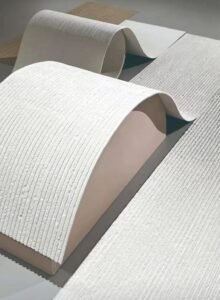
Its flexibility can be particularly useful where rigid stone or tile is difficult to install, such as curved surfaces, columns, corners, or complex forms.
What Should Be Considered When Installing Flexible Stone Outdoors?
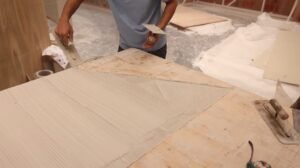
Outdoor performance depends not only on the panel itself, but also on how the complete system is installed.
Substrate Preparation
The substrate should be firm, clean, stable, and suitable for the specified adhesive system. Existing finishes may require additional surface preparation or interface treatment.
Adhesive Coverage
For exterior wall applications, adhesive coverage is particularly important. The adhesive should provide full contact with the panel according to the specified installation system, rather than relying on limited spot bonding.
Complete Wall System
The substrate, interface treatment, adhesive, panel, joints, edges, and surrounding wall construction should work as a complete system.
The supplied technical documentation includes a laboratory bond-strength result of 0.34 MPa with cementitious adhesive under the referenced EN 12004-2 conditions. This is a tested result for the specified configuration and should not be interpreted as a universal installation guarantee.
For project-specific installation requirements, the relevant product installation instructions and technical documentation should be followed.
How Should You Evaluate Flexible Stone for Exterior Applications?
When selecting flexible stone for an exterior project, do not evaluate the material only by its appearance.
Check Weathering Performance
Ask for actual laboratory test reports where available.
Look for:
- Test duration
- Testing standard
- Colour-change result
- Chalking
- Cracking
- Blistering
- Delamination
Check Freeze–Thaw Performance
Freeze–thaw resistance is important for exterior applications in climates where materials are exposed to repeated freezing and thawing. Water entering a material can freeze and expand, creating stress that may contribute to cracking, powdering, or delamination.
For Romantic Stone, the supplied test data records 25 freeze–thaw cycles, with 100% KMf25 flexural-strength retention for the tested material.
For projects exposed to repeated freezing and thawing, review the freeze–thaw test data for the specific product and configuration being specified.
Check Fire Documentation
Review the applicable fire-performance documentation for the product being specified rather than relying on a general material description.
Check the Installation System
Confirm:
- Suitable substrates
- Interface treatment
- Approved adhesive
- Adhesive coverage
- Joint requirements
- Exterior installation method
- Product-specific installation instructions
Check the Specific Product
Test results apply to the tested sample and configuration. Product thickness, texture, production configuration, substrate, adhesive, installation method, and environmental conditions can all affect actual project performance.
Conclusion
Flexible stone can be used outdoors when the material, product specification, installation system, and project conditions are properly considered.
Its suitability for exterior use is not based on a single property. Material composition, composite structure, surface treatment, weathering performance, freeze–thaw resistance, substrate compatibility, adhesive coverage, and installation workmanship all contribute to the final result.
For Romantic Stone, available testing includes 2,000 hours of artificial weathering with Grade 0 colour change, as well as documented freeze–thaw and mechanical performance for tested configurations.
For exterior wall panels, wall cladding, and stone facade applications, the most reliable approach is therefore to evaluate the complete system rather than the panel alone.
Frequently Asked Questions
Can flexible travertine panels be used outdoors?
Yes. Flexible travertine panels can be used for exterior wall panels, wall cladding, and stone facade applications when the product and installation system are properly specified. Outdoor performance depends on weathering resistance, substrate preparation, adhesive coverage, and installation.
Can flexible travertine panels be used on curved walls?
Yes. Their flexibility makes them suitable for curved walls, columns, corners, and other complex surfaces where rigid travertine tile is more difficult to install. Bending capability depends on the specific product.
How much do flexible travertine panels weigh?
Romantic Stone flexible stone products typically weigh approximately 3–6 kg/m². Their lightweight format can simplify handling, transportation, and installation compared with heavier rigid stone formats.
Are flexible travertine panels cheaper than travertine tile?
Not necessarily by material price alone. Total project cost should include material, transportation, handling, substrate preparation, installation labor, finishing, and waste. Flexible panels may reduce some project costs through lighter handling and more efficient installation.
Sources
Technical Standard
- CECS 376:2014 — Technical Specification for Application of Modified Inorganic Powder Composite Building Decorative Material
Used as a technical reference for MCM material definition, substrate requirements, adhesive application, construction requirements, freeze–thaw performance, fire performance, and quality acceptance.
Industry Reference
- Exploring High-Performance Materials for Cladding
Provides industry context on high-performance materials and cladding considerations.
Product Testing & Technical Documentation
- Romantic Stone / Guangdong Chenhui Ecological Technology Co., Ltd. — Product Technical Documentation
Product-specific information including thickness, weight, material structure, outdoor application, and installation requirements. - SGS Test Report
Product-specific mechanical performance data, including the tested flexural strength. - CTC Test Report — Artificial Weathering Test
2,000-hour artificial weathering test data, including colour change, chalking, blistering, cracking, and delamination results. - Romantic Stone Installation Instructions
Product-specific requirements for substrate preparation, adhesive application, panel installation, joints, and finishing.
This article provides general information for material selection and project planning.
It does not replace project-specific advice from a qualified architect, engineer,
contractor, or local building authority.
Building codes, standards, installation requirements, and product approvals vary by location.
Always verify material specifications, assemblies, and installation requirements against the
regulations and technical documentation applicable to your project.
See our full disclaimer.