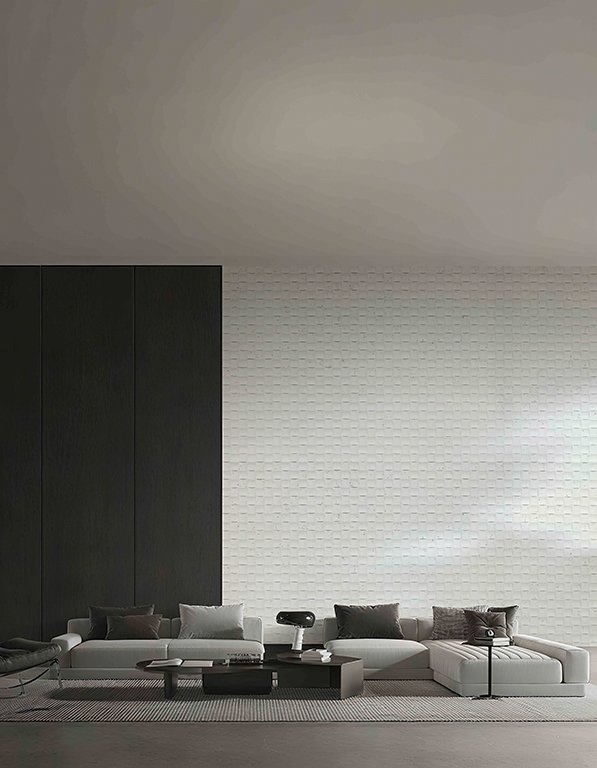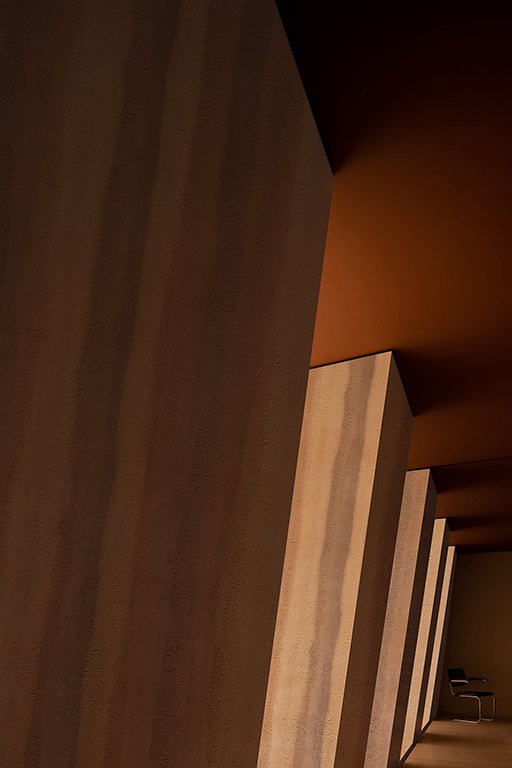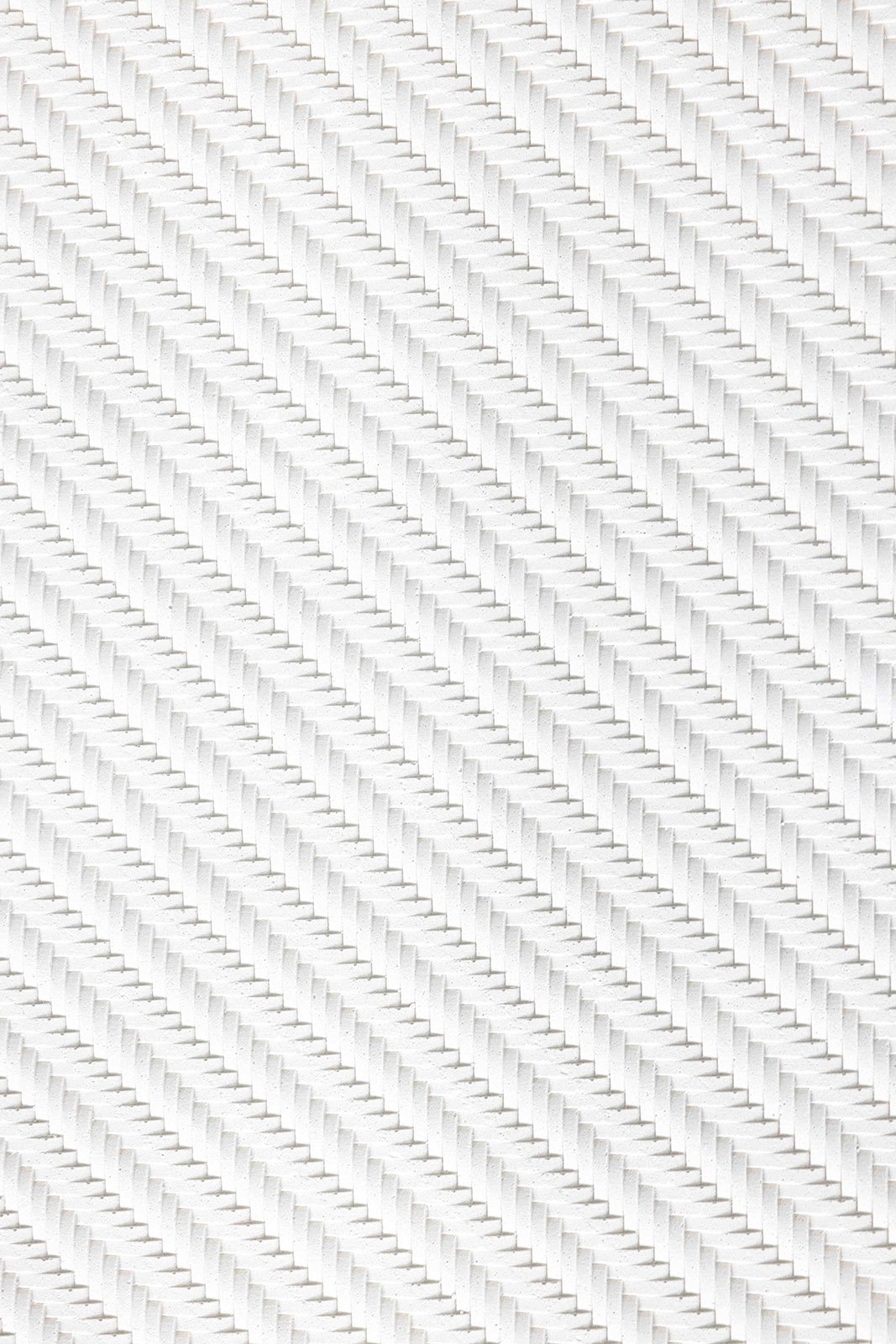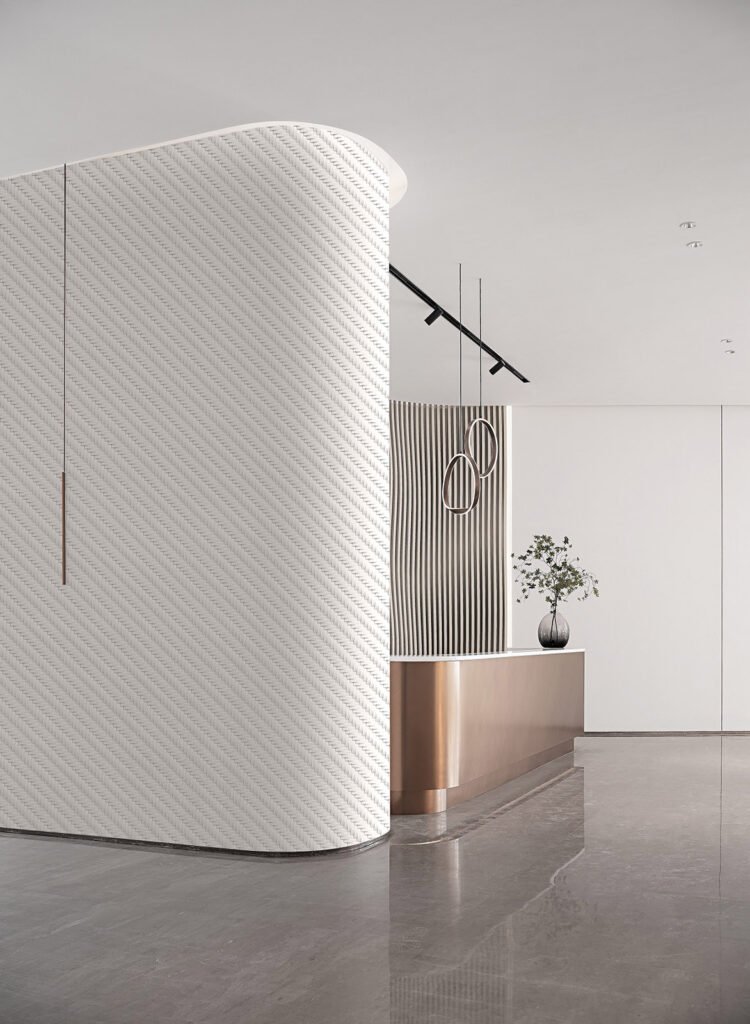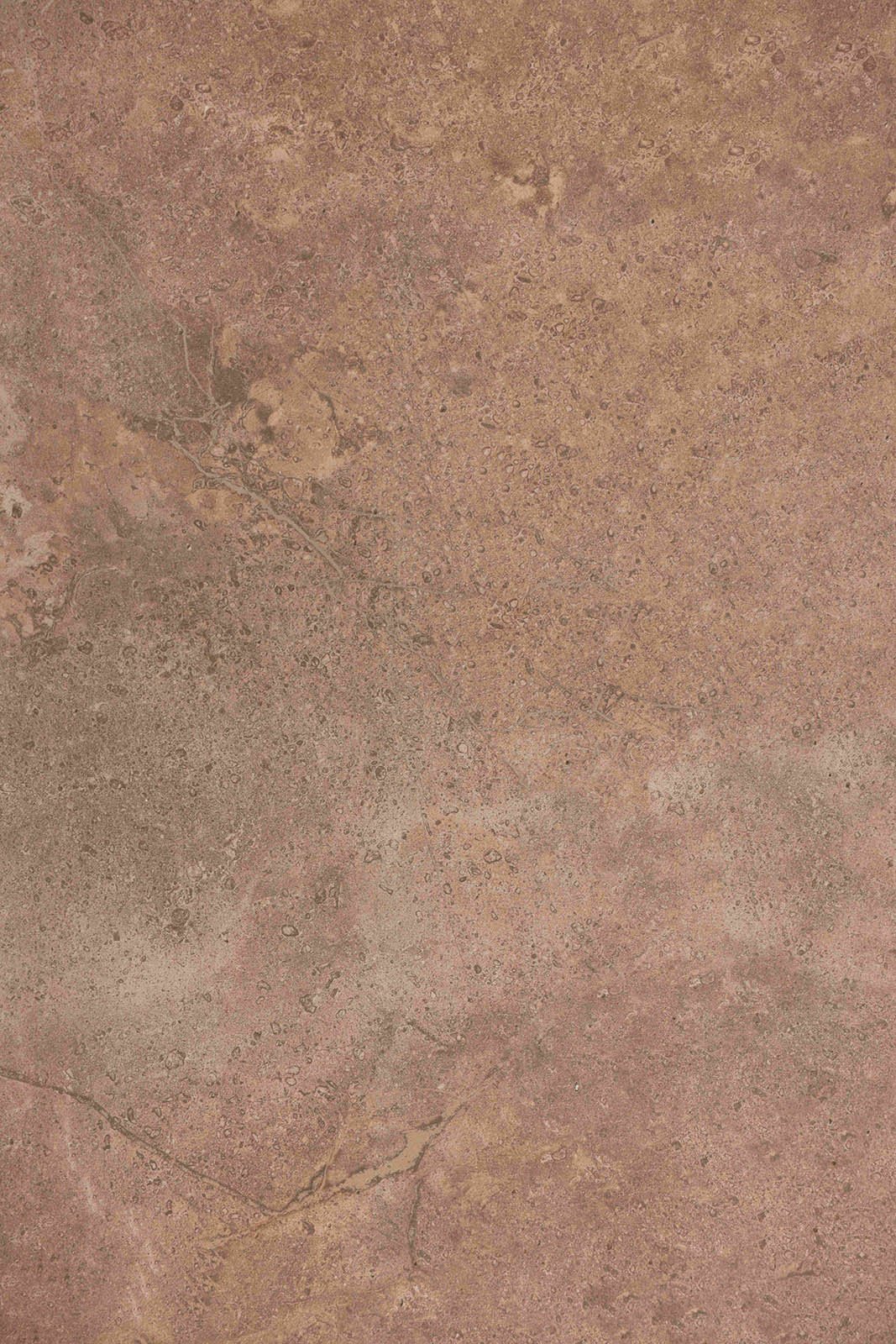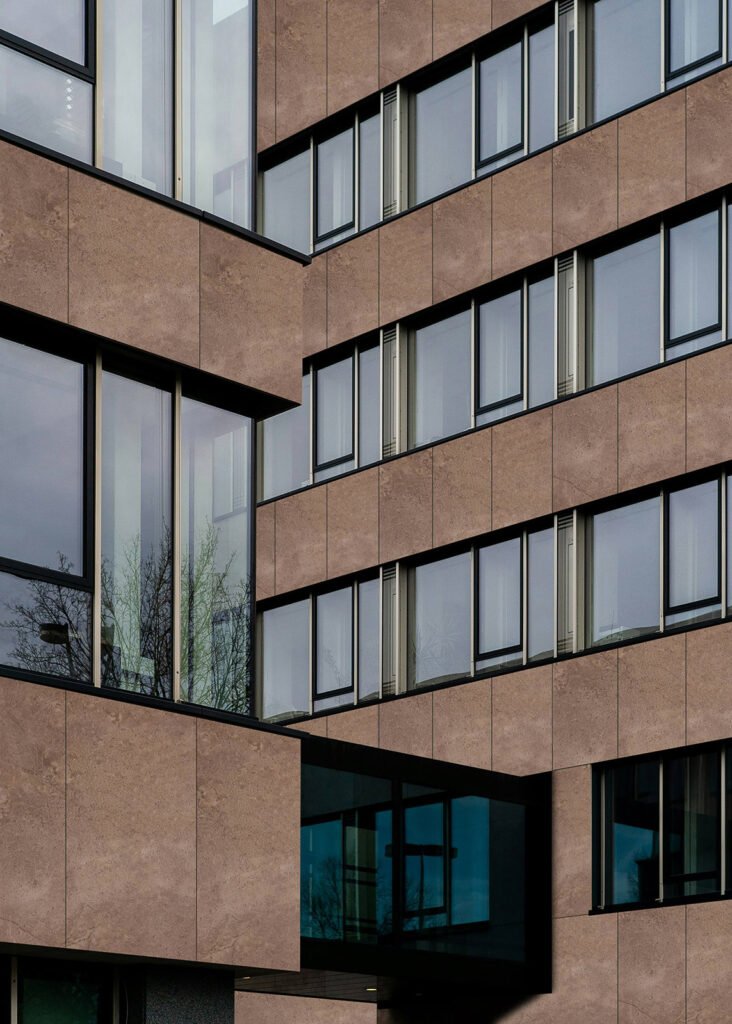
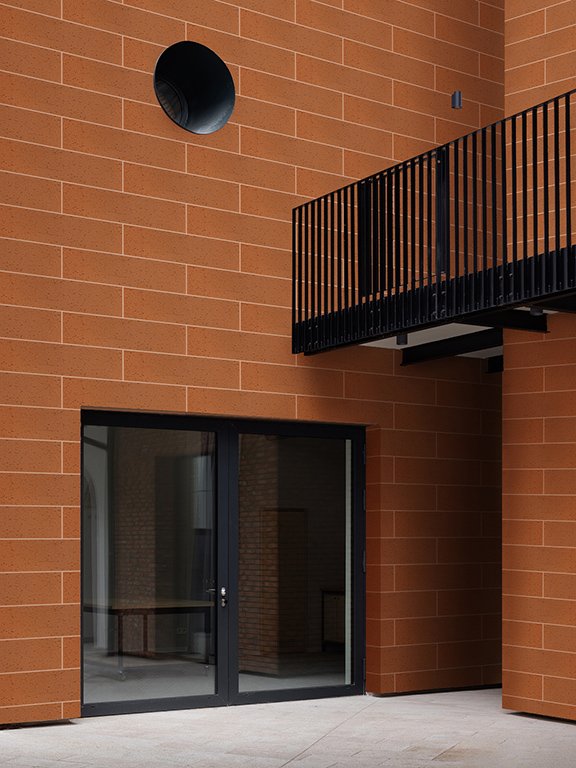
But is flexible stone simply a lighter version of traditional stone? Not quite. The term covers different material systems, from natural stone veneers with flexible backing to mineral-based materials such as MCM (Modified Clay Material). Each offers different possibilities for architectural surfaces.
So how can MCM flexible stone expand the way designers approach surface finishes? From natural stone textures and travertine patterns to wood grain, woven designs, and rammed-earth effects, it offers a broader palette of visual expressions. And when lightweight construction meets adaptability to certain curved surfaces, new possibilities emerge for facades, renovation projects, and contemporary interiors. Let’s take a closer look.
So, What Is Flexible Stone?
The term flexible stone can refer to different materials. Some products consist of thin layers of natural stone bonded to a flexible backing, while MCM (Modified Clay Material) flexible stone takes a different approach.
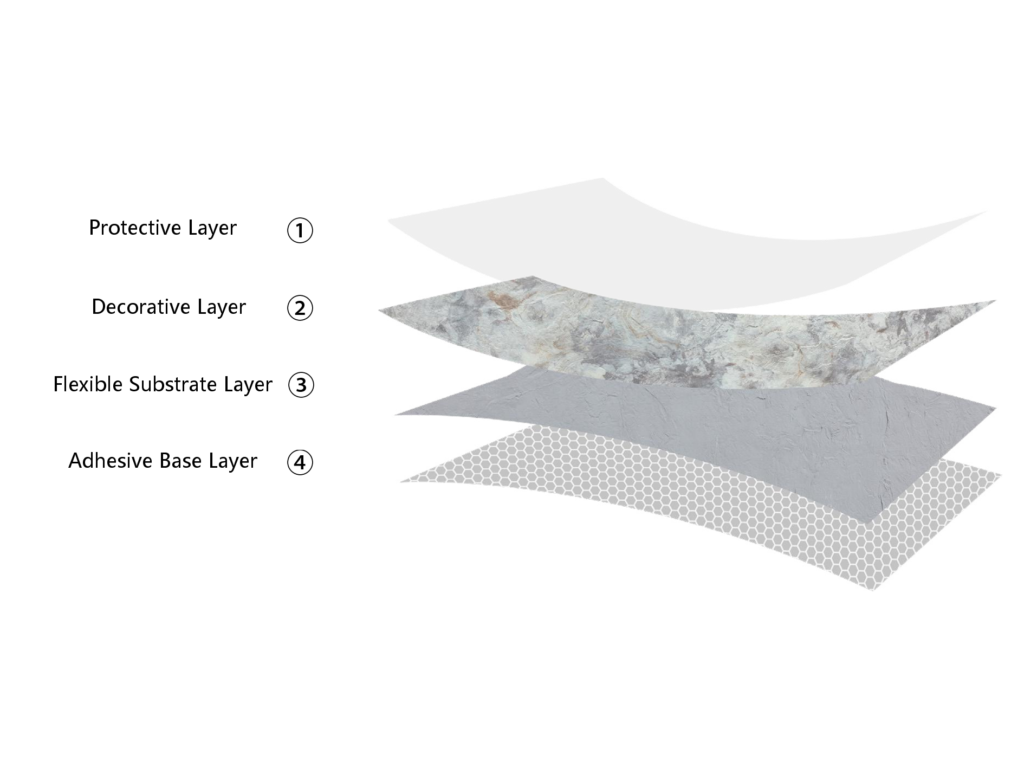
MCM flexible stone is a mineral-based architectural surface material made from processed inorganic materials, which may include stone powder, sand, soil, and other mineral components depending on the formulation. Through forming, surface texturing, and finishing, these materials are transformed into thin, lightweight panels that can reproduce the textures and natural character of stone while also offering a broader range of colors, patterns, and decorative effects.
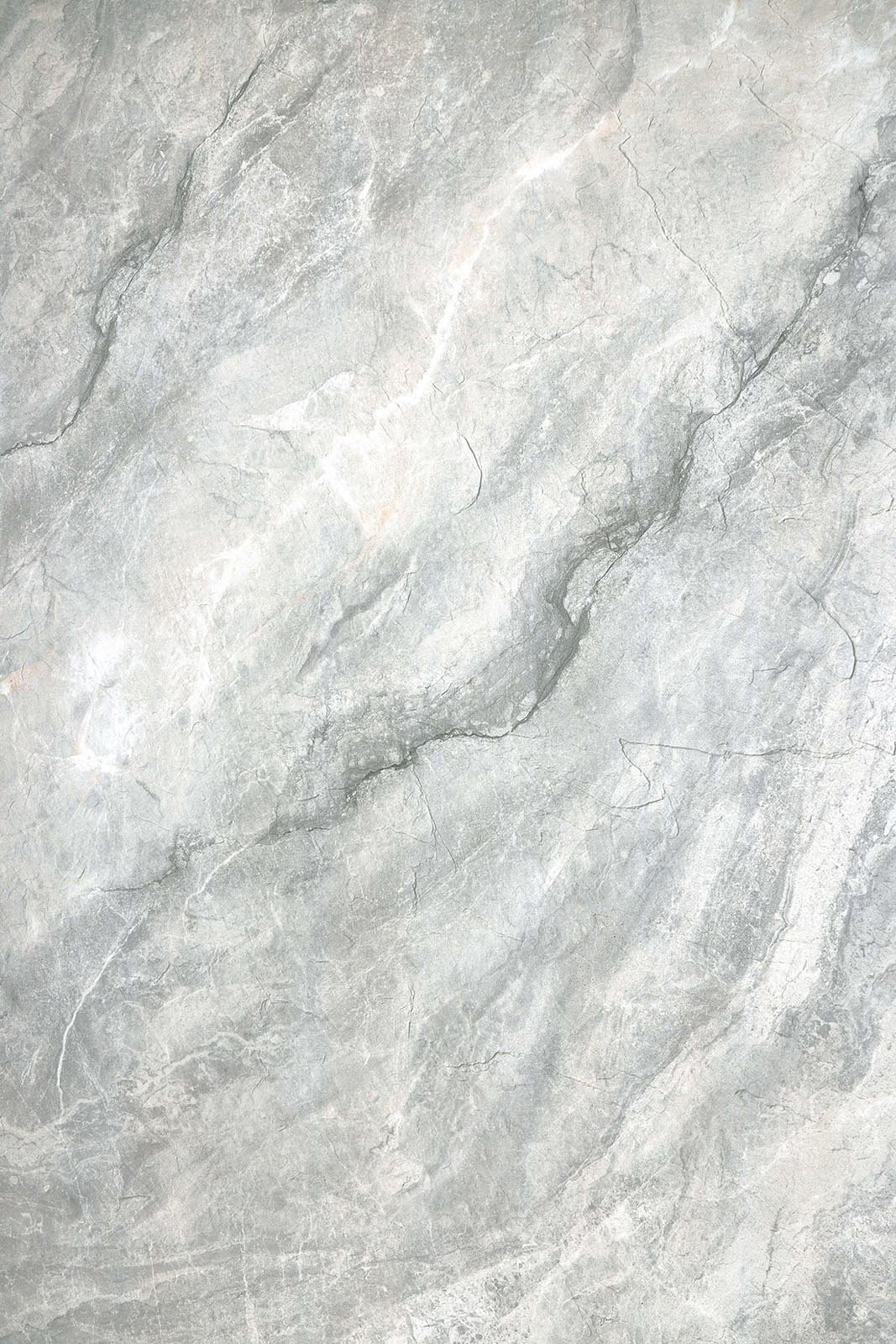
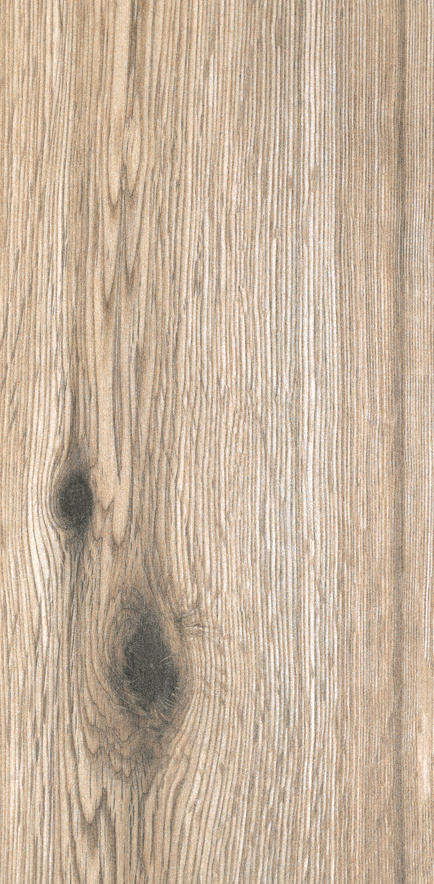
Rather than being cut from natural stone blocks, MCM surfaces are developed through material formulation and manufacturing techniques. This allows designers to explore different surface styles, from stone-inspired textures and travertine patterns to wood grain, woven designs, and rammed-earth effects—all within a flexible architectural surface material.
How Does Flexible Stone Expand Design Possibilities?
MCM flexible stone offers architects and designers new ways to achieve stone-inspired aesthetics while addressing some limitations of conventional materials.
- Versatile Textures and Finishes: From natural stone and travertine textures to wood grain, woven patterns, and weathered earth effects, flexible stone offers diverse surface designs for facades and feature walls.
- Lightweight Construction: At approximately 3.2–4.8 mm thick and 3–6 kg/m², certain MCM panels are easier to handle and can reduce added weight in renovation and retrofit projects compared with conventional natural stone.
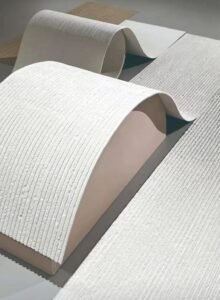
- Curved Surface Applications: Flexible stone can follow certain curved walls and columns, depending on the product’s bending limits. Always verify the specified minimum bending radius.
- Renovation and Retrofit: Its thin, lightweight format offers an alternative for updating existing buildings where conventional stone cladding may be difficult to install. Suitability depends on the substrate and installation system.
- Durability and Fire Performance: Selected Romantic Stone products have undergone 15 freeze-thaw cycles and 2,000 hours of accelerated aging tests. Weather resistance, moisture performance, and fire classification should be verified using the relevant product-specific test reports.
Limitations of Flexible Stone
While MCM flexible stone offers lightweight construction and versatile surface designs, it is important to understand its limitations when selecting materials for different architectural applications.
- Impact Resistance: Its thin profile may provide less resistance to impact than thicker stone panels. In high-traffic areas or locations prone to knocks and abrasion, the product’s surface durability should be evaluated carefully.
- Substrate Preparation: Flexible stone relies on a suitable, properly prepared substrate for a smooth finish and reliable bonding. Uneven surfaces, weak substrates, or incompatible adhesives can affect installation quality and may lead to bonding problems. Adhesive selection should account for the substrate, application environment, and compatibility with the panel.
- Application Suitability: Flexible stone is primarily used for wall cladding and decorative surfaces. Floors and countertops require appropriate wear resistance and load-bearing performance, while showers and other continuously wet areas need suitable waterproofing and installation systems. Always confirm that the selected product is designed for the intended application.
- Material Authenticity: MCM can reproduce the appearance of natural stone, but it does not share the same natural composition, through-body texture, or solid feel as quarried stone. Projects that require the authentic depth and physical character of solid stone may be better served by natural stone products.
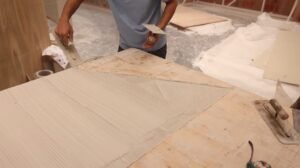
For reliable bonding and a consistent finish, flexible stone should be installed on a suitable, properly prepared substrate using a compatible adhesive. Read our Flexible Stone Installation Guide for substrate preparation and adhesive recommendations.
Design Styles and Surface Finishes
Romantic Stone’s MCM flexible stone collections offer a range of surface expressions for architectural design, including:
- Natural Stone Collection — timeless stone textures
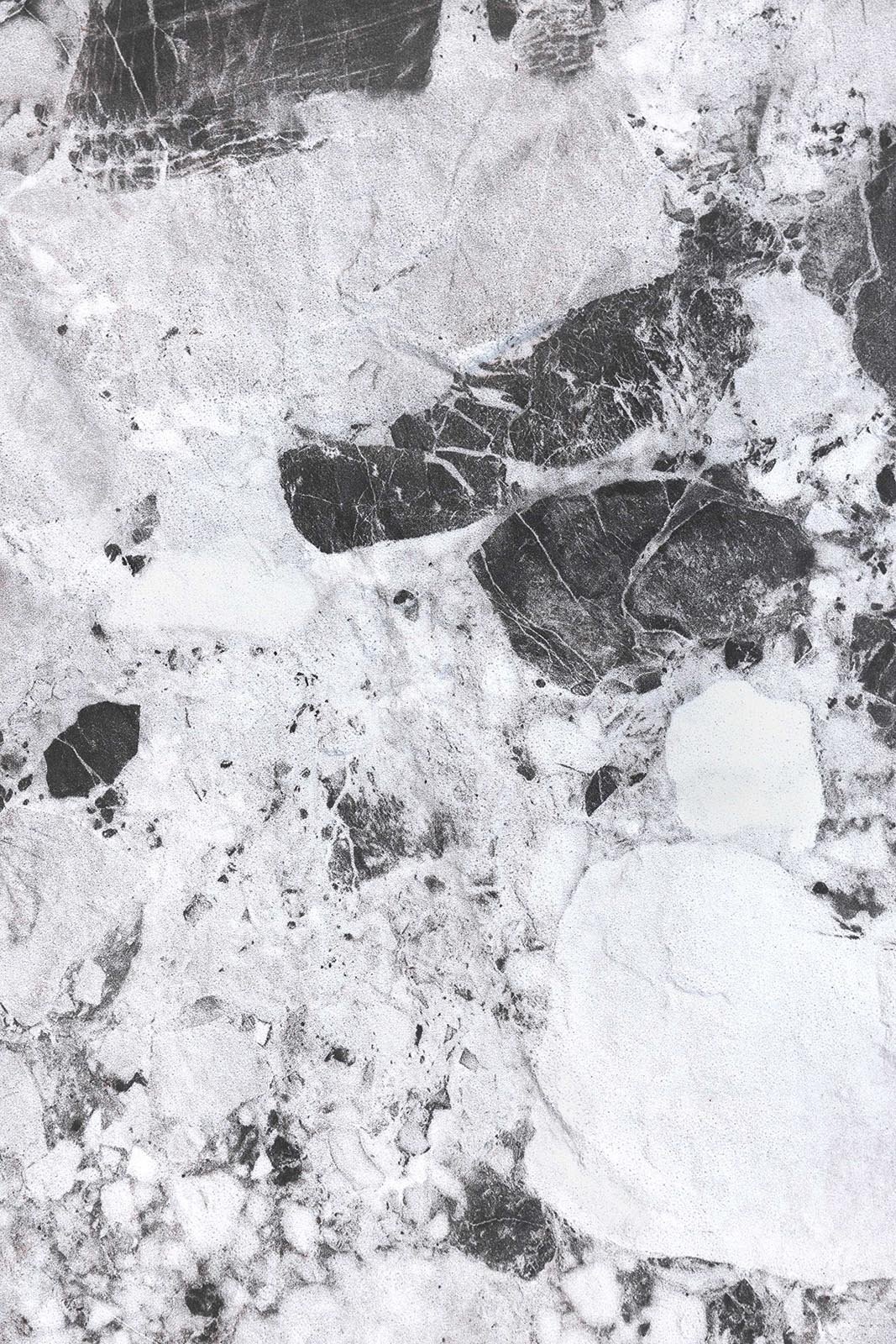
- Architectural Collection — distinctive decorative patterns
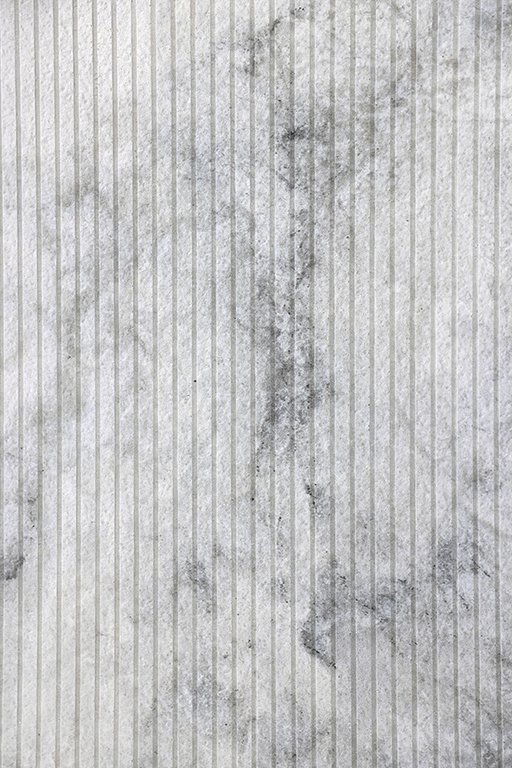
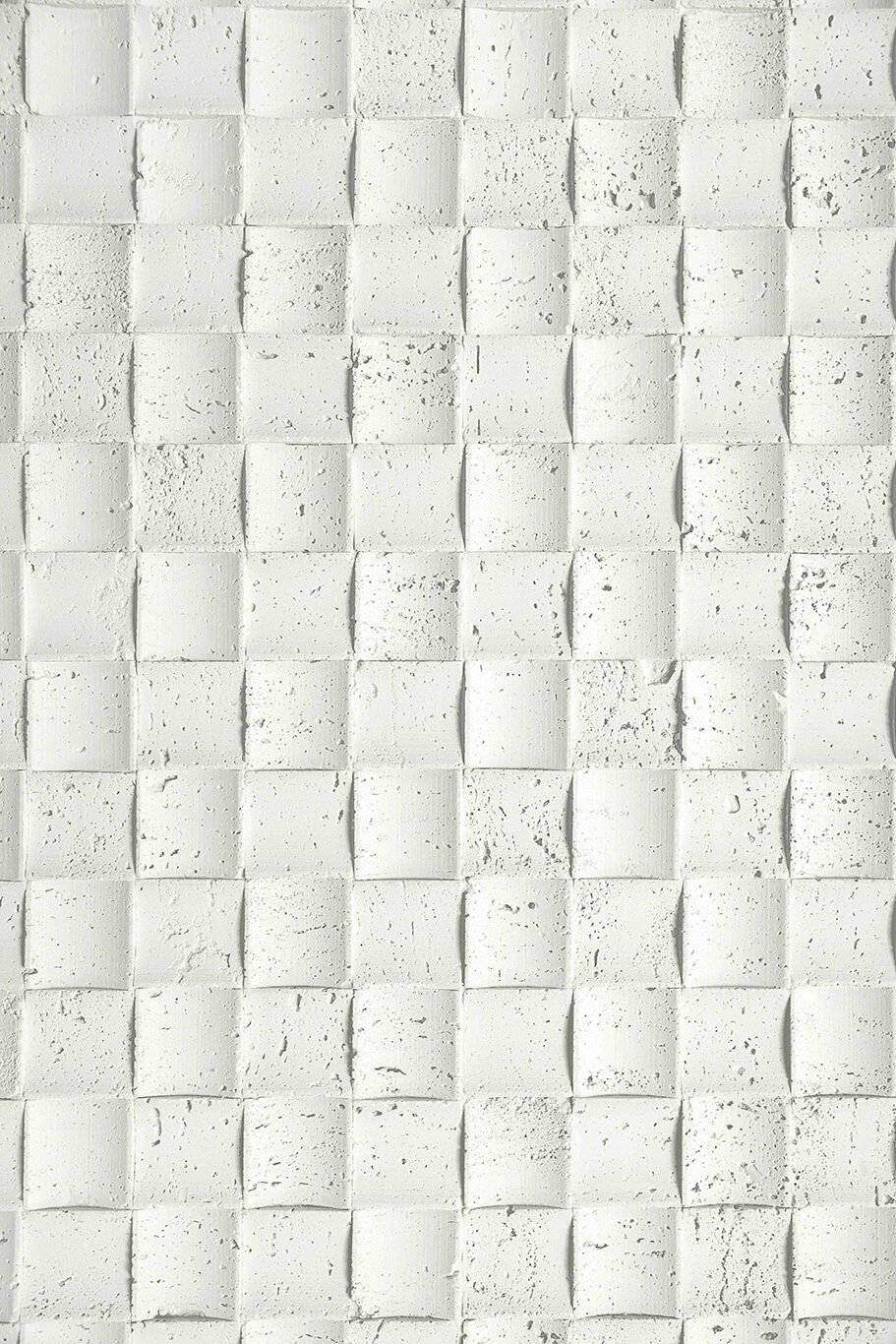
- Weaving Collection — textured, interlacing designs
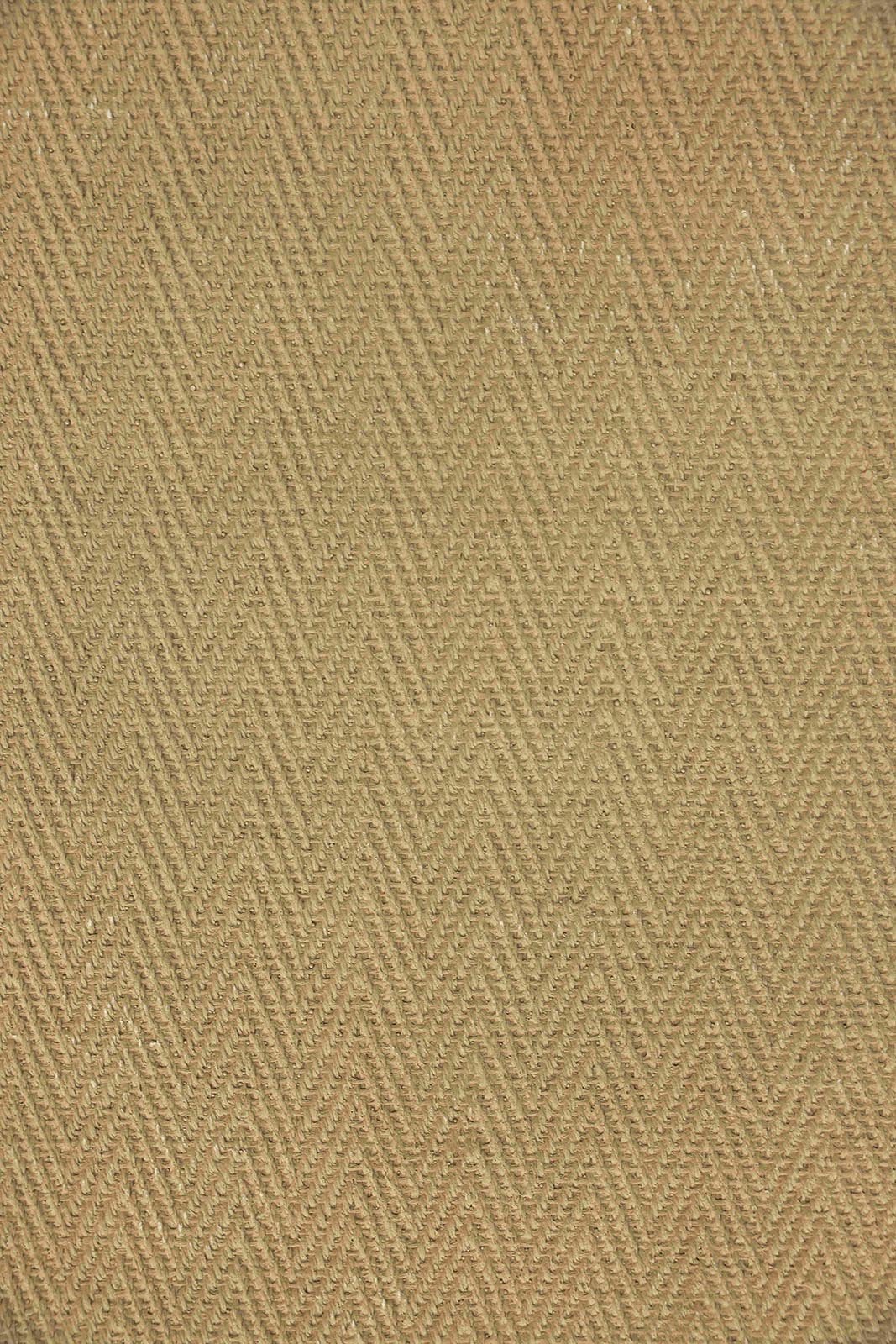
- Travertine Collection— naturally layered patterns
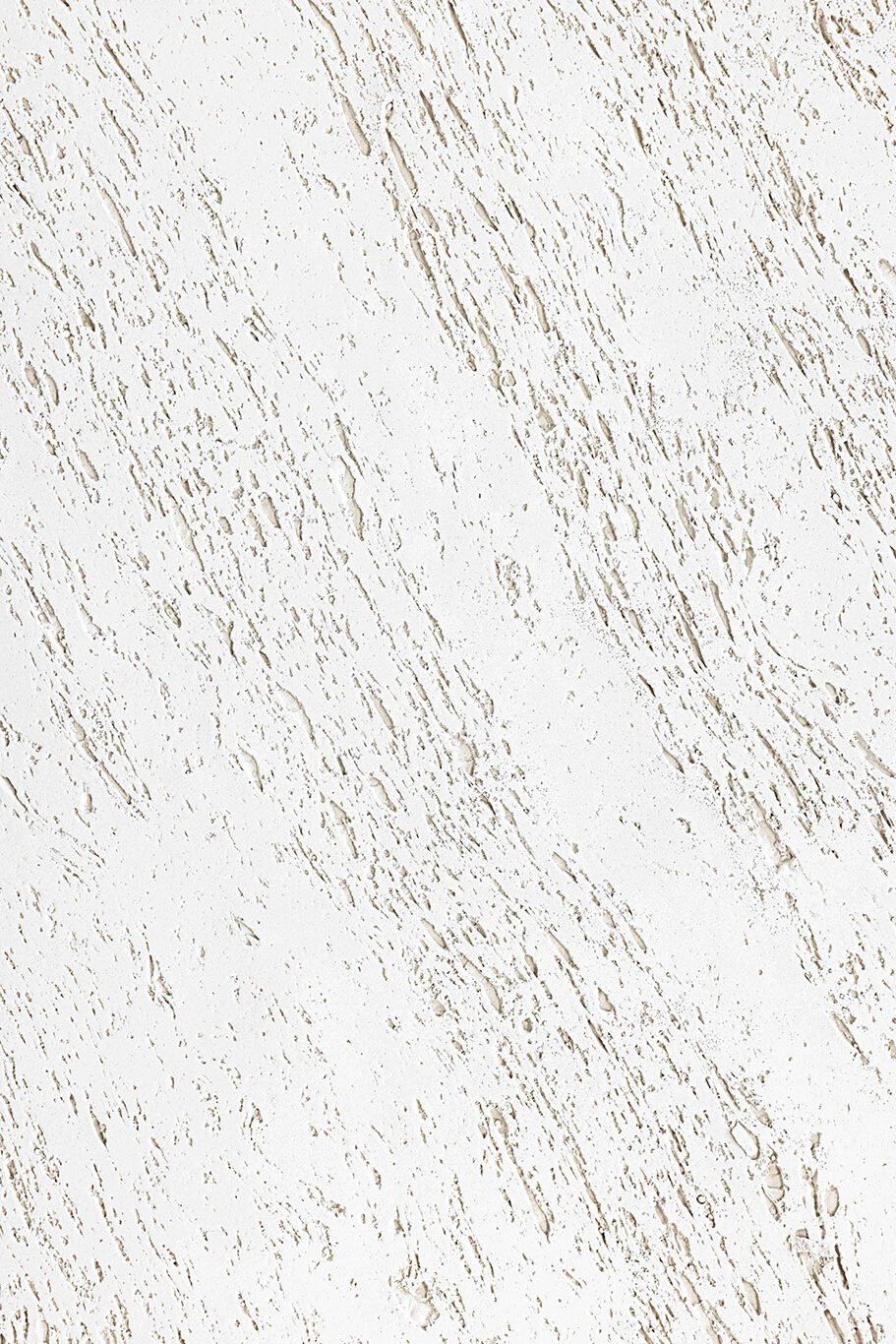
- Wood Collection — warm, linear textures
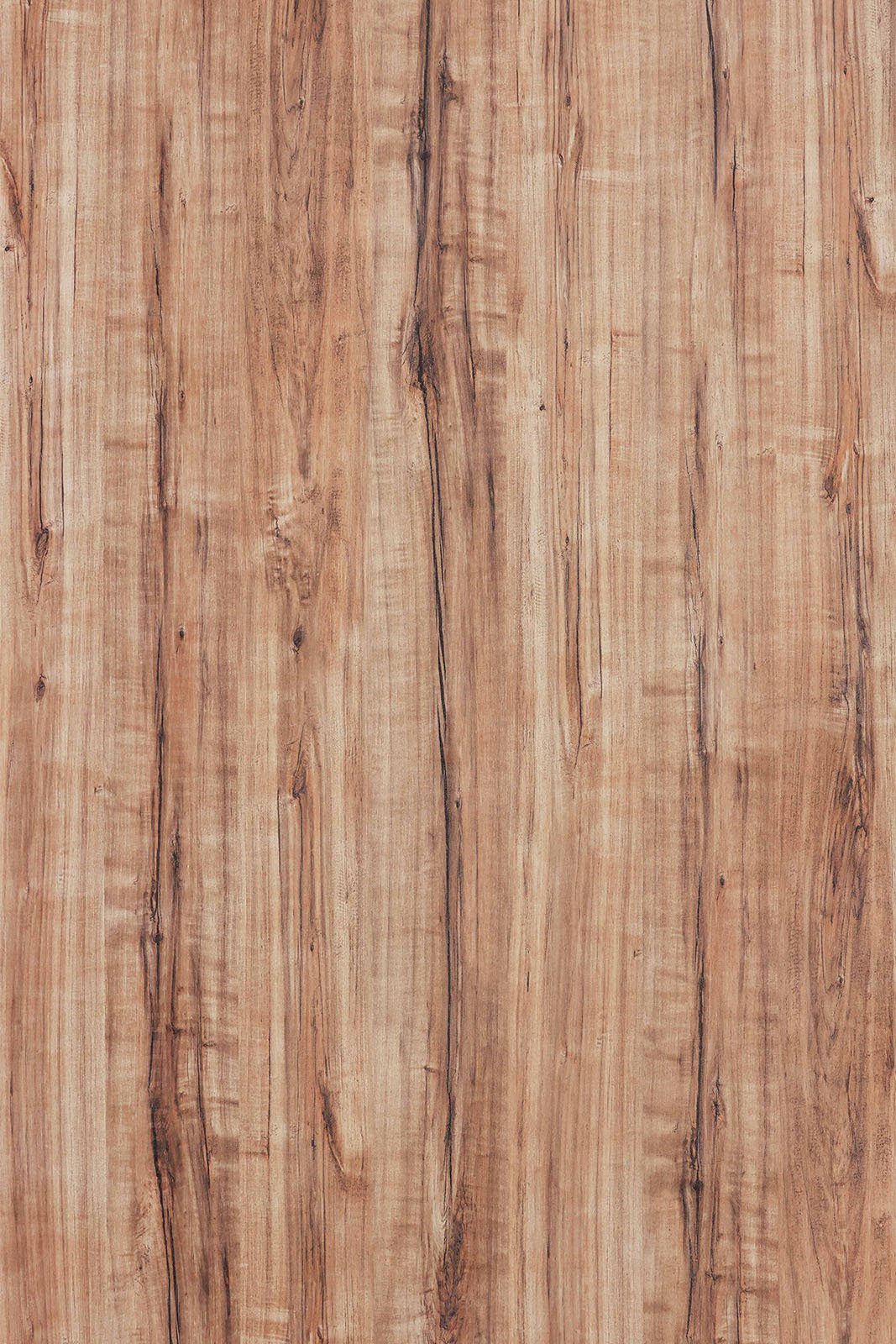
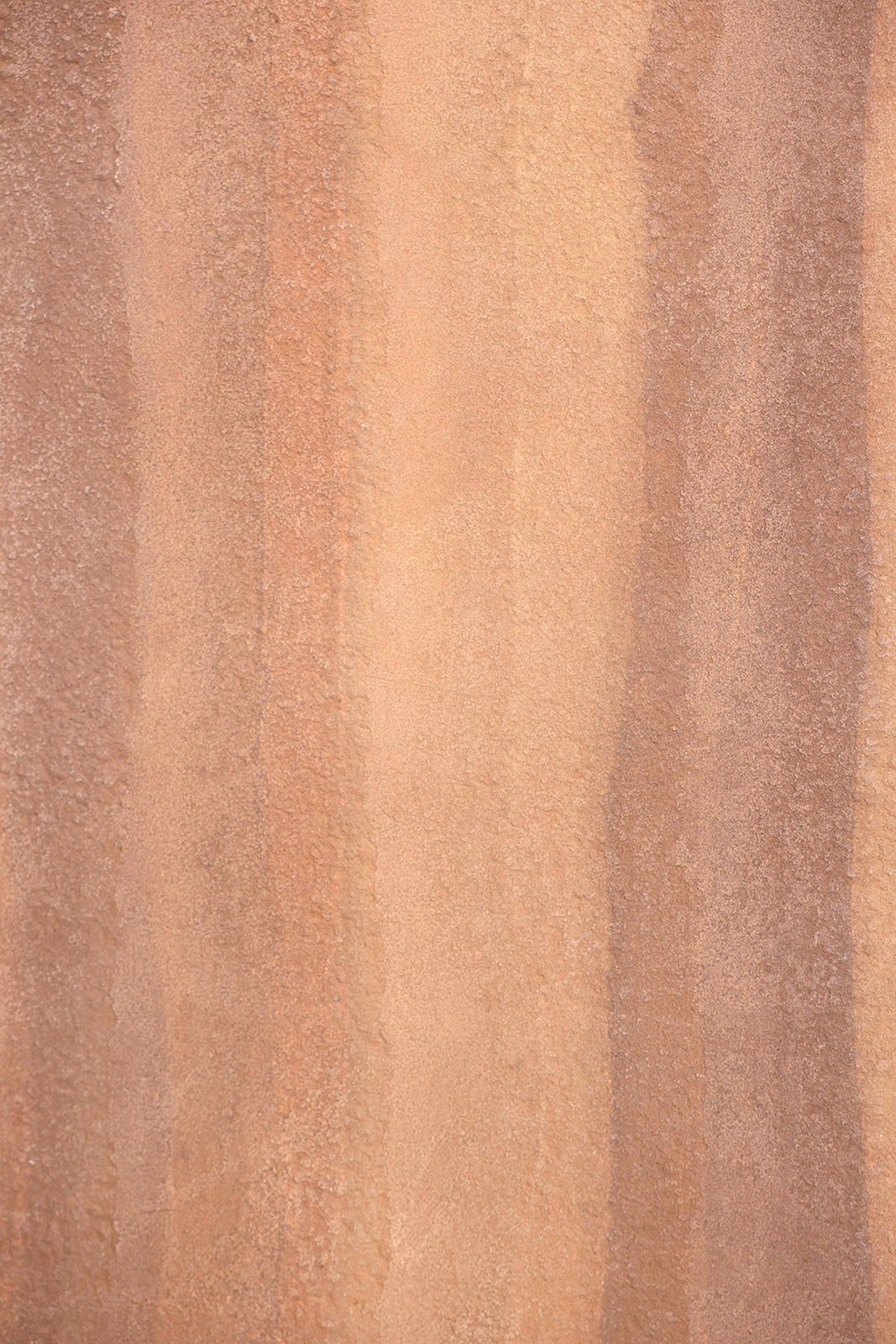
- Rammed Earth Collection — earthy tones and layered textures
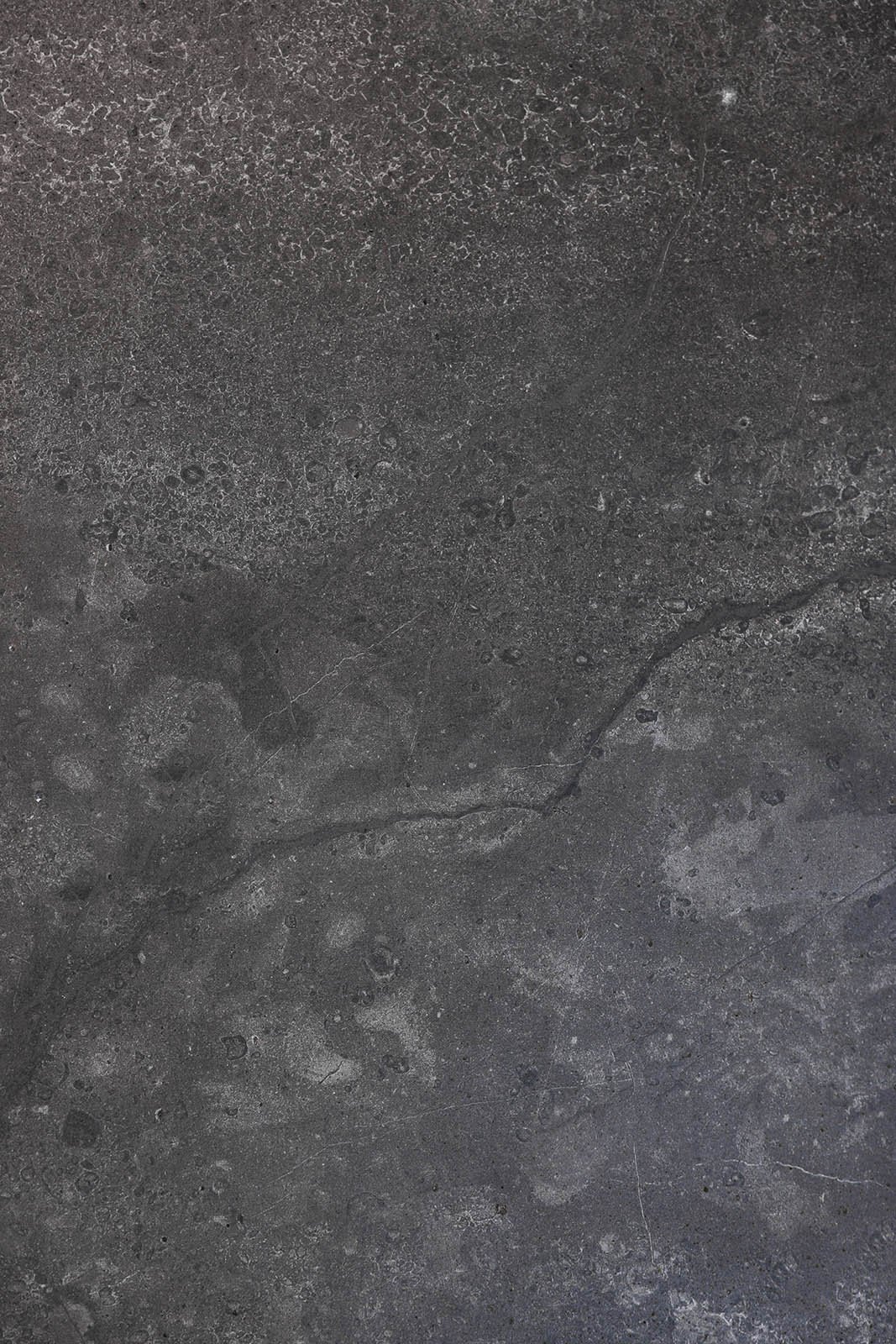
Cement Collection — clean, understated cement-inspired surfaces
- Split Brick Collection— rough, brick-inspired finishes
Explore the collections to discover different ways to bring texture, depth, and character to architectural surfaces.
Where Can Flexible Stone Be Used?
From exterior renovations to distinctive interior features, MCM flexible stone offers designers different ways to bring texture and character to architectural surfaces.
Exterior Facades and Building Renovation
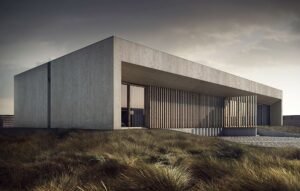
Flexible stone provides a lightweight alternative for updating facade finishes with stone-inspired textures and other surface styles. Its suitability depends on the existing substrate, exposure conditions, and approved installation system.
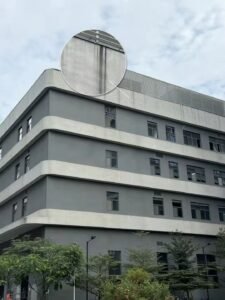
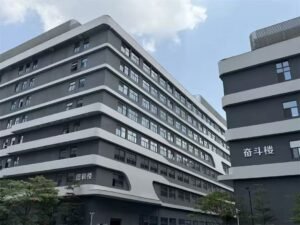
Curved Walls and Architectural Features
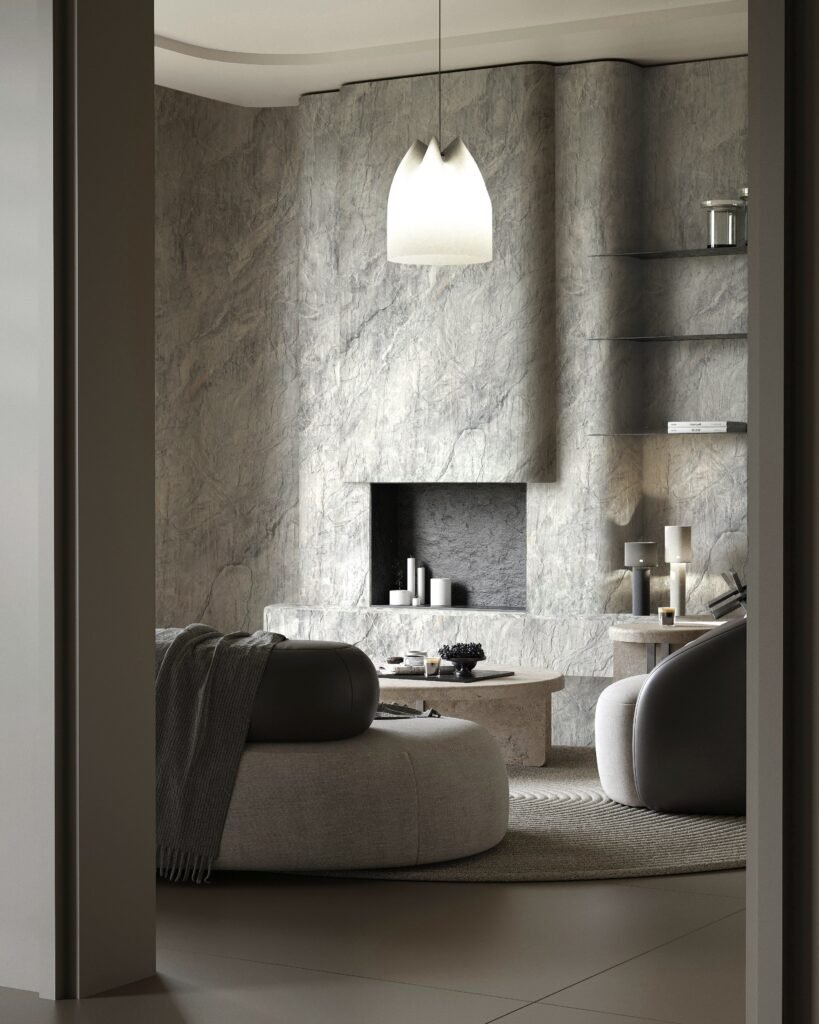
For curved walls, columns, and other non-flat surfaces, flexible stone can help carry a consistent surface finish around architectural forms, within the product’s specified bending limits.

Hotels and Commercial Spaces
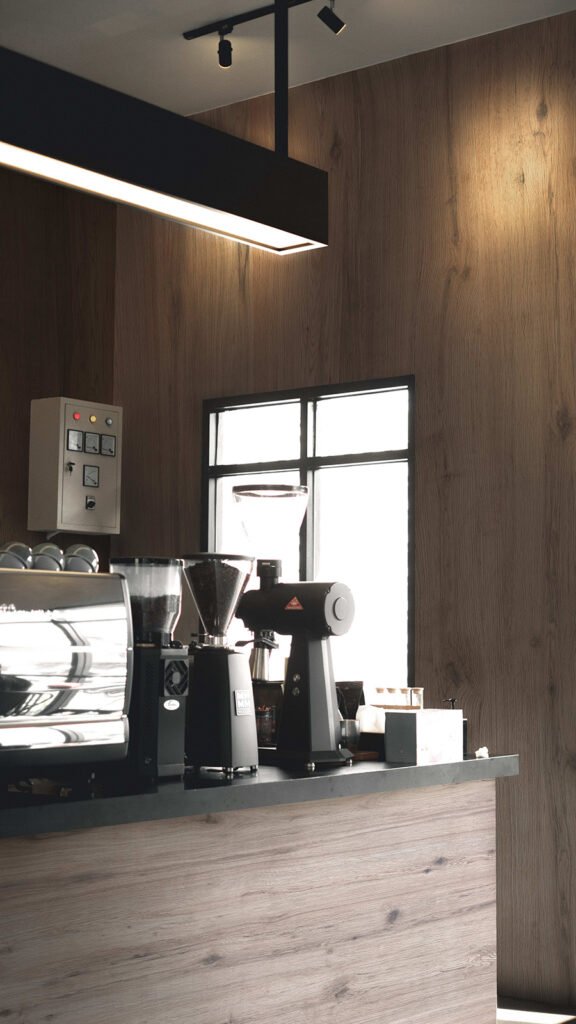
In hotels, restaurants, retail stores, and office spaces, varied textures and finishes can create distinctive feature walls, reception areas, and visual focal points.
Residential Interiors
From living room feature walls to bedroom accents and other decorative surfaces, flexible stone offers more options for introducing stone-inspired textures, wood grain, and other design styles into residential spaces.
Flexible Stone and Other Exterior Cladding Materials
Exterior cladding materials vary in appearance, weight, design flexibility, and installation requirements. Understanding these differences helps designers select suitable materials for different architectural projects.
| Feature | MCM Flexible Stone | Natural Stone | Ceramic Tile | Aluminum Panels | Fiber Cement Panels | Terracotta Facade Panels | Brick |
|---|---|---|---|---|---|---|---|
| Appearance | Diverse textures and finishes | Natural variations | Versatile patterns | Sleek, modern | Clean, understated | Earthy, natural | Classic, textured |
| Weight | Lightweight | Heavy | Varies | Generally lightweight | Moderate to heavy | Varies by system | Heavy |
| Design Flexibility | High | Low | Low | High | Moderate | Moderate | Low |
| Substrate Compatibility | High | Moderate | Moderate | Low | Moderate | Low | Low |
| Weather Resistance | Tested | High | High | High | High | High | High |
| Water Resistance | Water-resistant | Variable | High | High | Moderate | High | Variable |
| Fire Performance | A2 | A1 | A1 | Variable | A1 | A1 | A1 |
Material performance depends on the specific product, facade assembly, substrate, and installation method. Always verify technical documentation and local building requirements.
How Sustainable Is Flexible Stone?
Sustainability is increasingly important when selecting architectural materials. Flexible stone offers several potential environmental advantages through its mineral-based raw materials, low-temperature forming process, lightweight construction, and material recovery.
MCM flexible stone can use construction waste soil, stone and ceramic production offcuts, and non-metallic tailings as inorganic raw materials. Its forming process uses around 90±5°C, together with green electricity and thermal energy, rather than the high-temperature kiln firing used for conventional ceramic tiles.
Material efficiency continues beyond production. Production offcuts can be recovered and reused, helping reduce material waste. Flexible stone is also lightweight, with some products weighing around 3–6 kg/m², which can reduce the weight involved in transportation and on-site handling.
Durability is another part of the equation. A longer-lasting surface can reduce the need for frequent replacement, helping extend the useful life of the finished installation. Overall, sustainability should be evaluated through the complete material lifecycle—from raw materials and production to transportation, service life, and end-of-life treatment.
Conclusion
Flexible stone is changing the way designers and builders think about stone surfaces. It brings together the timeless appeal of stone with the modern needs for lighter construction, greater flexibility, easier installation, and more resource-efficient materials.
From natural stone-based flexible veneers to mineral-based MCM surfaces, different material systems offer different ways to achieve the look and character of stone. The key is choosing the right product for the requirements of each project.
Whether you’re planning a residential interior, a commercial space, or a renovation project, flexible stone offers a practical way to bring stone-inspired textures and architectural character into spaces where conventional stone may not always be the easiest choice.
Explore our collection of flexible stone panels and discover how stone can be reimagined for modern architecture.
What Do People Usually Ask About Flexible Stone?
1、Is Flexible Stone Actually Stone?
It depends on the product. Some flexible stone products use real natural stone, while others, such as MCM, are mineral-based architectural surface materials designed to reproduce the look and texture of natural stone.
2、Is Flexible Stone Waterproof?
Flexible stone can offer good water and moisture resistance, but performance depends on the specific product and installation system. Substrate preparation, adhesive, joints, and detailing also matter.
3、Can Flexible Stone Be Used Outdoors?
Yes. Exterior flexible stone can be used for suitable outdoor applications when the product has the required weather, UV, moisture, and freeze-thaw performance.
4、Can Flexible Stone Be Installed on Curved Walls?
Yes. Its flexibility allows suitable products to follow curved walls, columns, and other non-flat surfaces within the specified bend radius.
5、Is Flexible Stone Durable?
Flexible stone is designed for long-term use in suitable applications. Its durability depends on the material formulation, surface finish, installation method, and environmental conditions. With proper installation and maintenance, it can provide lasting performance for both interior and exterior wall applications.
6、How Long Does Flexible Stone Last?
There is no single lifespan for all flexible stone products. Service life depends on the product, environment, installation, and maintenance, so refer to the manufacturer’s technical data and test reports.
7、Is MCM the Same as Flexible Stone?
Not exactly. Flexible stone is a broad product category, while MCM is one mineral-based material system used to make flexible architectural surfaces.