Travertine Tile vs Flexible Travertine Panels: Which Is Better for Wall Cladding?

Travertine tiles provide authentic natural stone for flooring and conventional wall applications but are heavy (25–30 kg/m²). MCM Flexible Travertine Panels offer a lightweight (3–6 kg/m²), Class A / EN 13501-1 fire-rated, and bendable (R ≤ 40 mm) wall-cladding alternative, with large formats up to 2900 × 1200 mm, ideal for high-rises, curved surfaces, and direct-over-tile renovations.
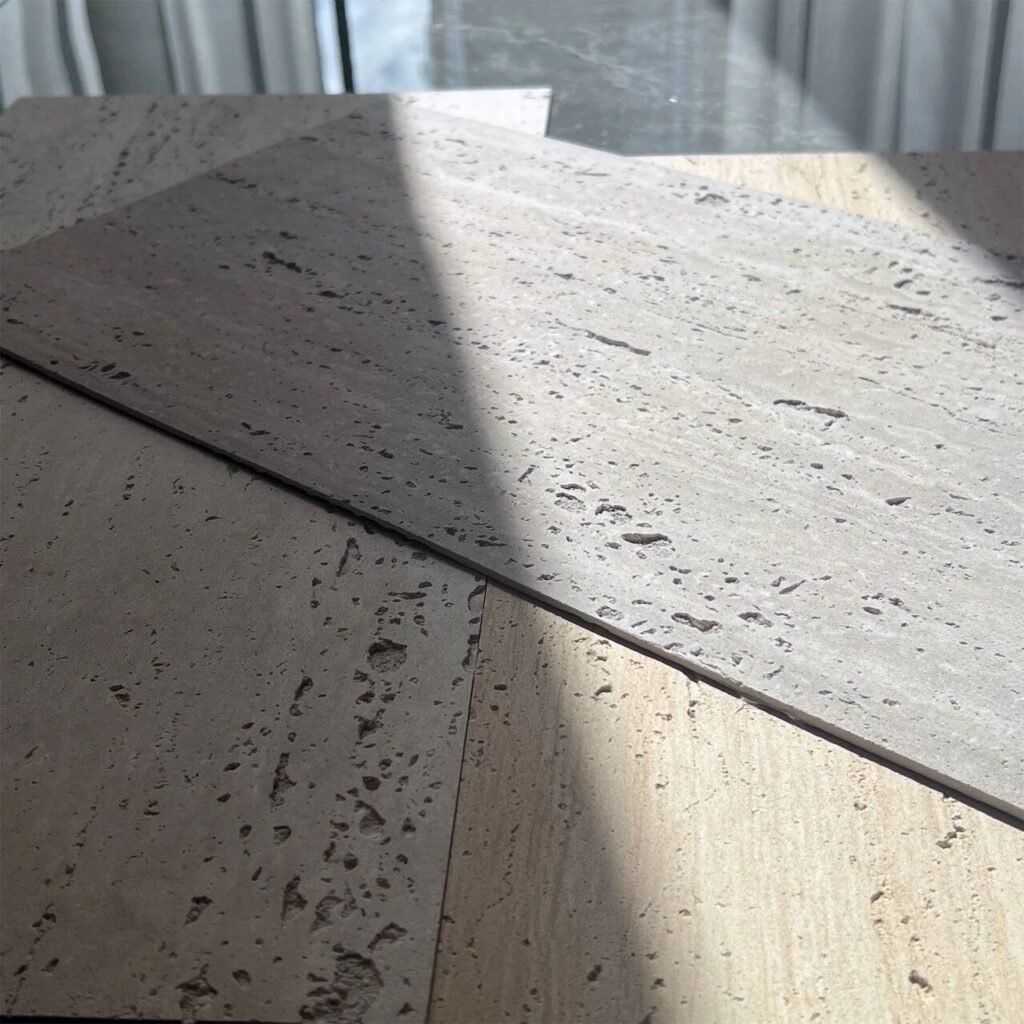
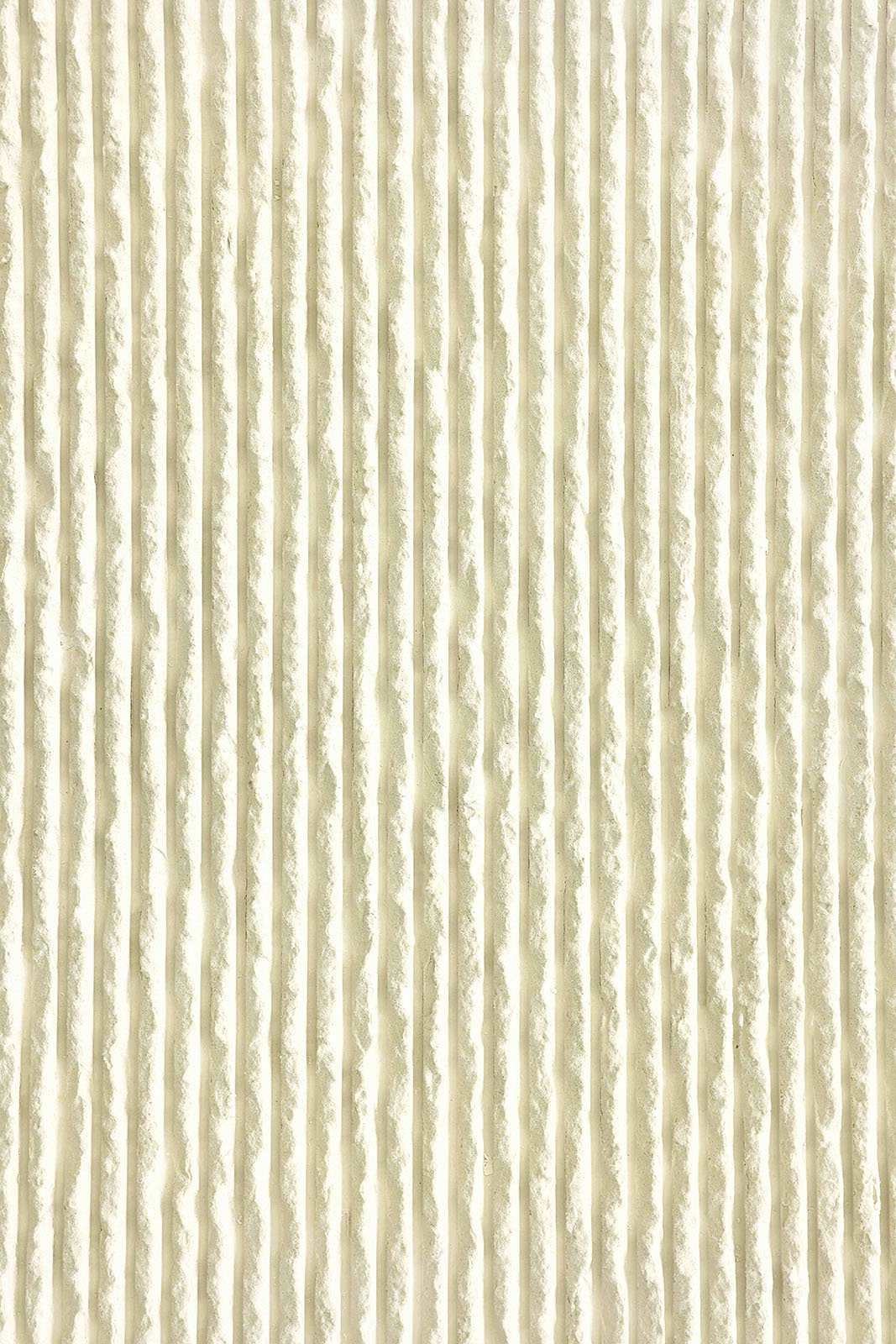
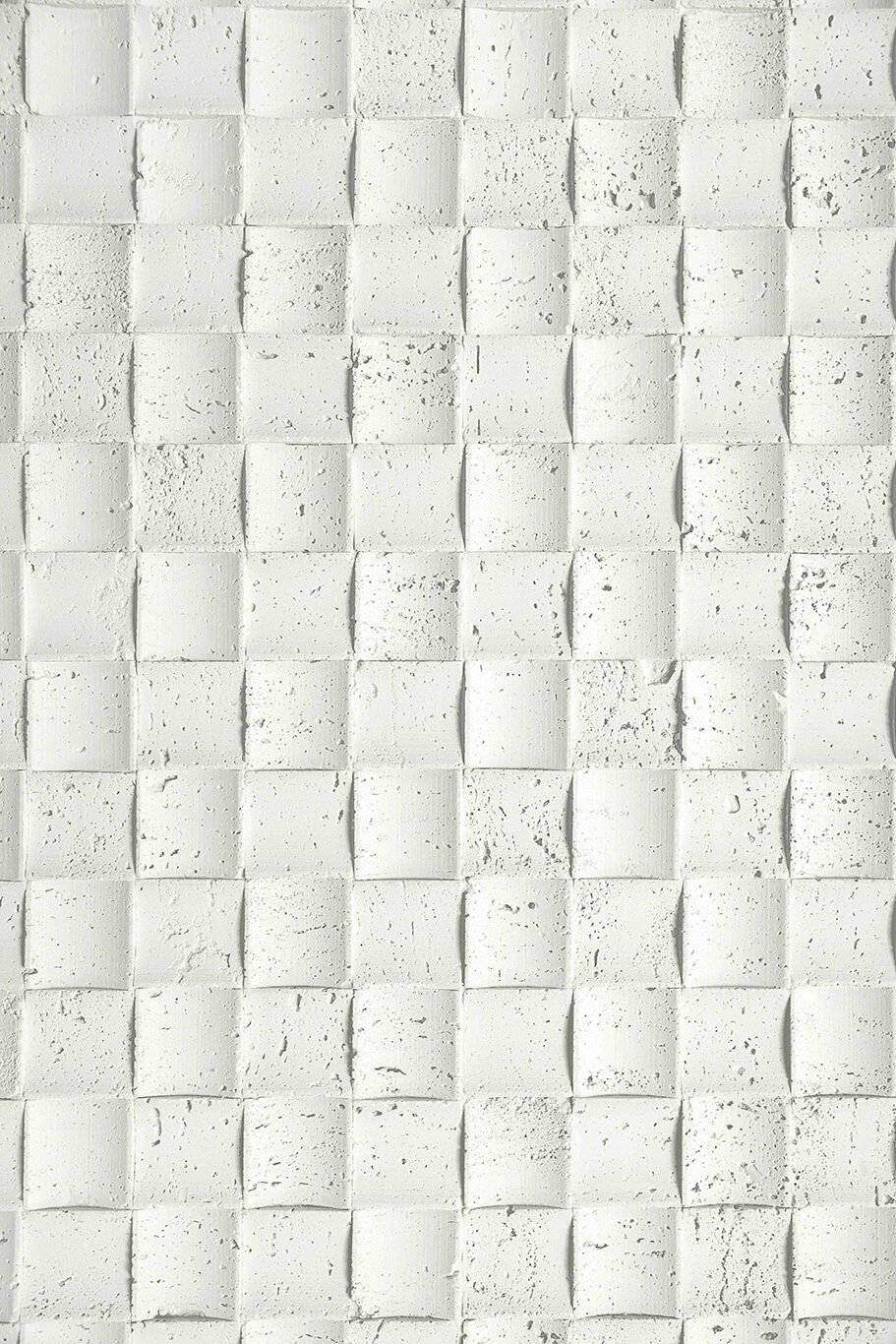
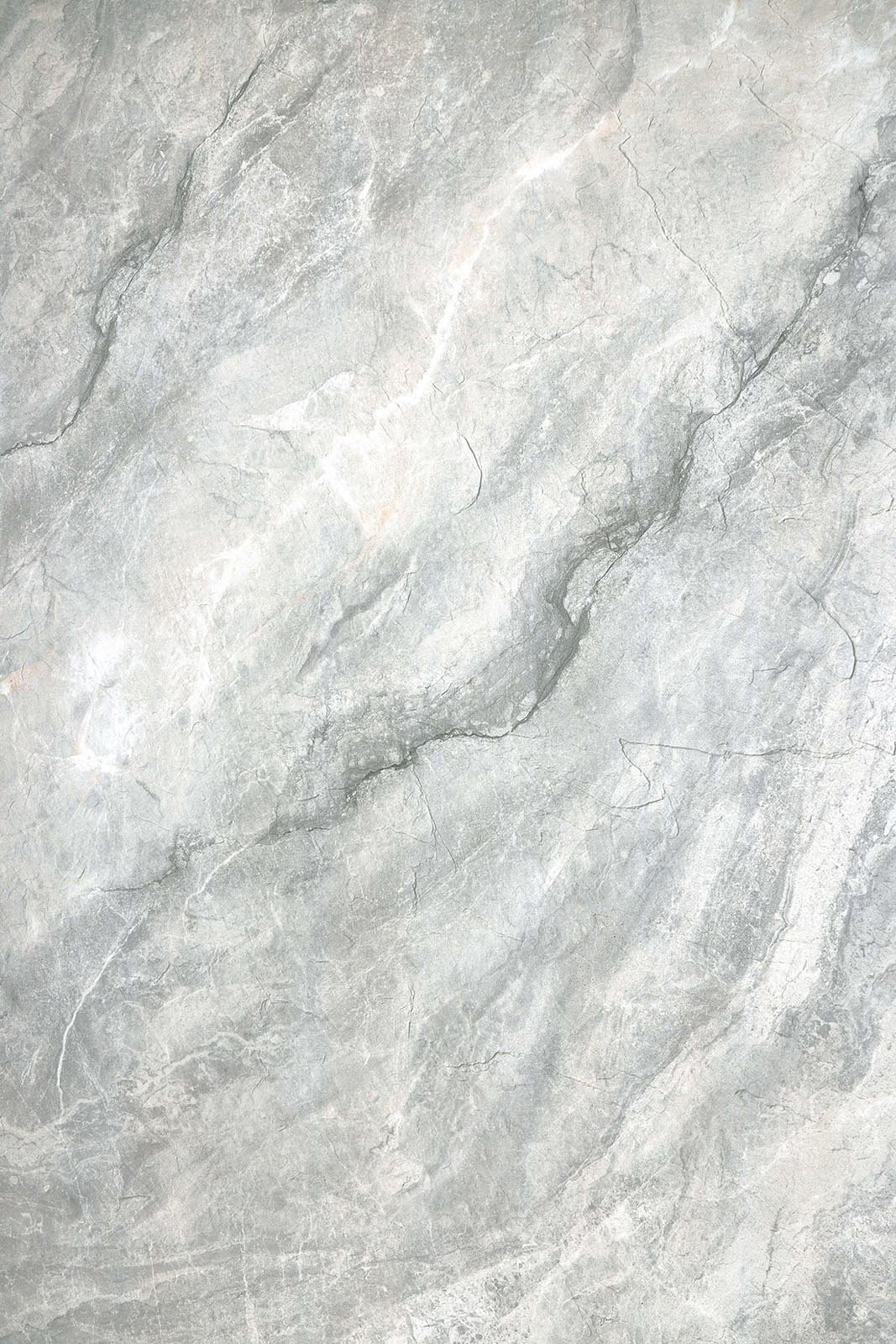
Grey White Linear Grid Stone

What Is Travertine Tile?

Travertine tile is a rigid natural-stone product made from travertine, a type of limestone formed through mineral deposition.

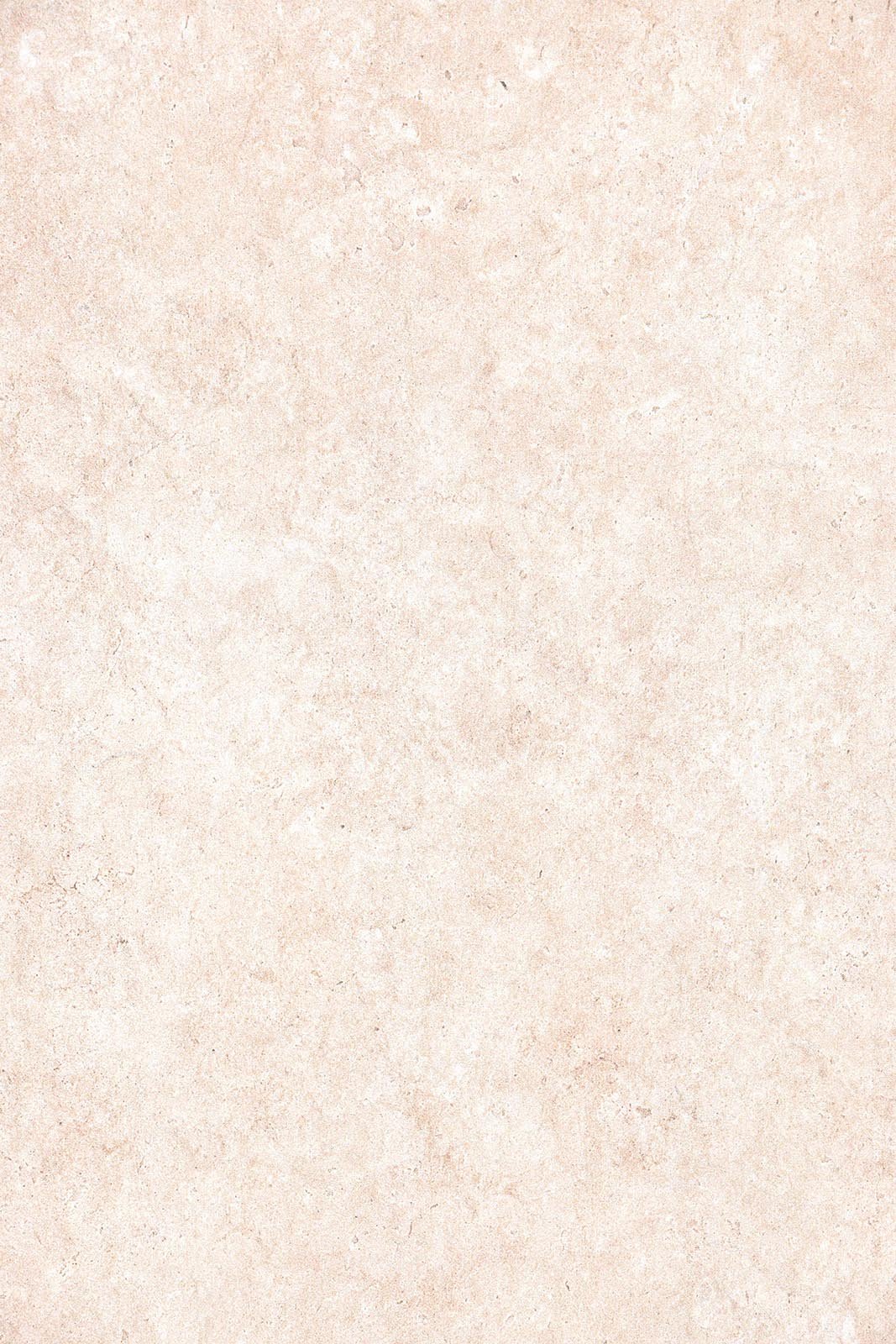
Its appeal comes from the natural character of the stone. Veining, pores, color variation and surface texture can vary from one piece to another, giving travertine its distinctive appearance.

Travertine tile is commonly used for:

  • Floors
  • Interior walls
  • Exterior walls
  • Bathrooms
  • Feature walls
  • Staircases
  • Patios and other conventional stone applications

Advantages of Travertine Tile

Travertine tile is a suitable choice when a project specifically requires:

  • Authentic natural stone
  • Natural variation from one piece to another
  • Conventional tile or stone installation
  • Rigid surfaces
  • Flooring applications
  • Traditional stone construction methods

Its main limitation for some wall-cladding projects is its rigid and relatively heavy format.

For large vertical surfaces, transportation, handling and installation can become more demanding as material weight increases.

What Are Flexible Travertine Panels?

Flexible travertine panels are lightweight wall-cladding materials designed to provide the visual character of travertine in a more flexible and lightweight format.

Romantic Stone manufactures flexible stone products using Modified Clay Material (MCM). The material is processed through a multi-stage manufacturing system that includes raw-material preparation, forming, 3D printing, drying, surface treatment and inspection.

Depending on the product, Romantic Stone flexible stone panels can provide:

  • Approximately 3–6 kg/m² weight
  • Large formats up to approximately 2900*1200 mm
  • Flexible and bendable characteristics
  • Travertine-inspired surface textures
  • Applications on flat and selected curved surfaces
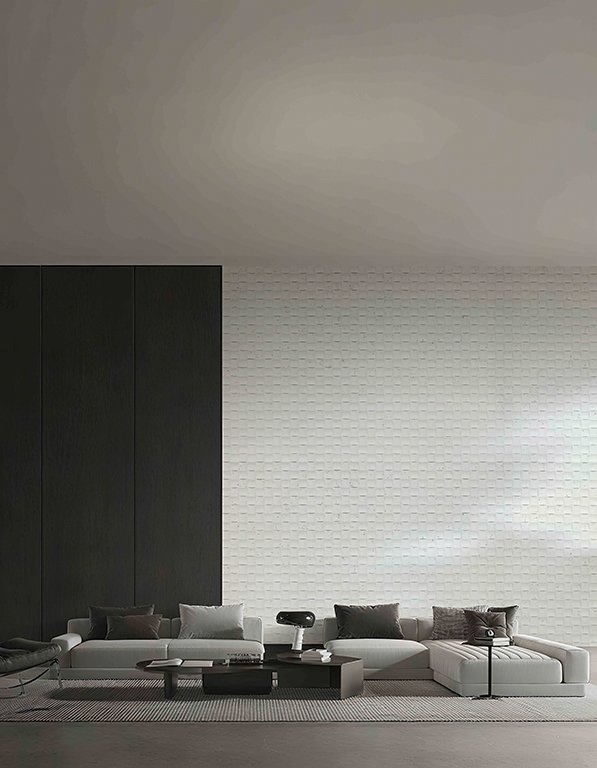
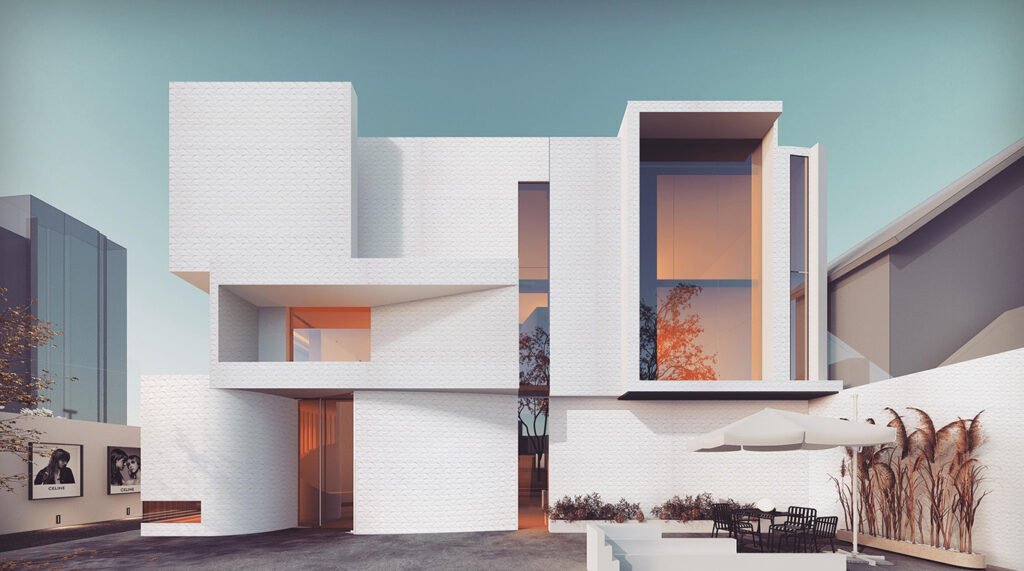
  • Interior and selected exterior wall applications

Important: Flexible travertine panels are not the same material as solid natural travertine tile. They are engineered surface materials using MCM to provide a lightweight alternative with a travertine-inspired appearance.

How Are Flexible Travertine Panels Made?

Romantic Stone flexible travertine panels are manufactured using Modified Clay Material (MCM) through a multi-stage production process.

The manufacturing process includes material preparation, forming, 3D printing, drying, surface treatment and inspection. The production system incorporates 27 processes and 4th-generation 3D printing technology.

This manufacturing approach allows travertine-inspired textures to be produced in a lightweight and flexible panel format.


In other words, Romantic Stone flexible travertine is an engineered mineral-based flexible surface designed to reproduce the visual character of travertine, rather than a thin piece of natural travertine mounted onto a flexible backing.

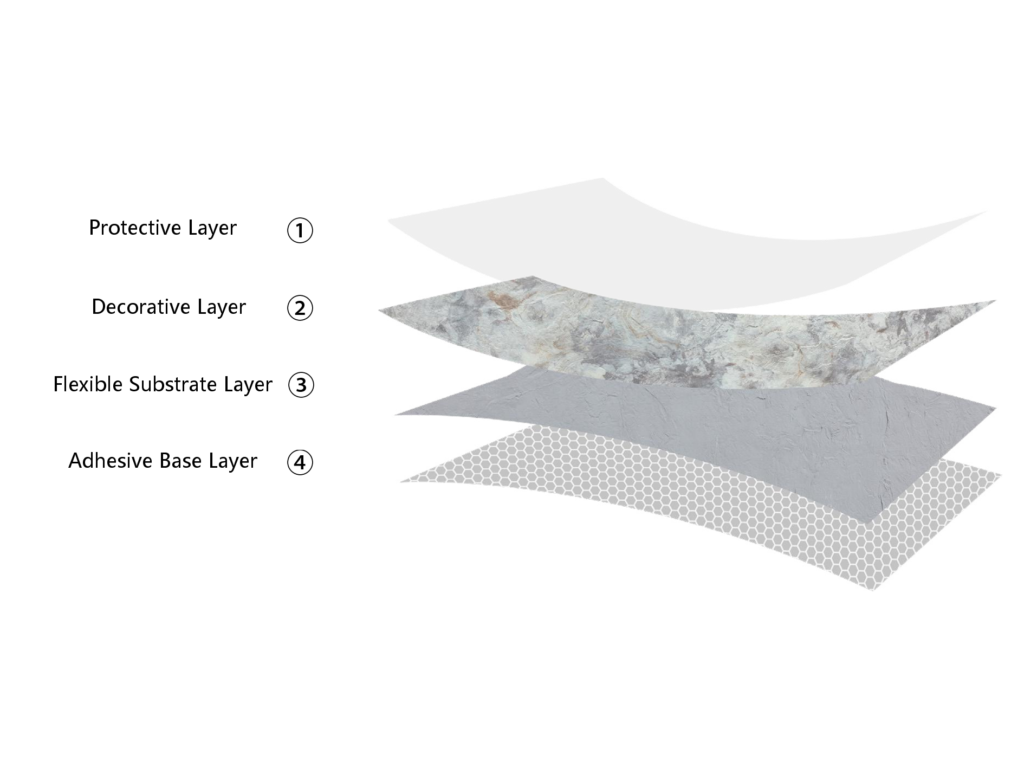
MCM flexible travertine panel structure showing layered mineral-based material construction
Layered structure of an MCM flexible travertine panel

Travertine Tiles vs Flexible Travertine Panels

The key differences are in material composition, weight, flexibility and key performance characteristics.

ParameterNatural Travertine TileMCM Flexible Travertine Panel
Material100% natural travertine stoneModified Clay Material (MCM)
Thickness10–20 mm3.2-4.8 mm
Weight25–30 kg/m²3–6 kg/m²*
FlexibilityRigid; cannot be bentFlexible; suitable for curved surfaces
Minimum Bending RadiusNot applicableR ≤ 40 mm*
Flexural Strength3–5 MPa*12–15 MPa*
Water Absorption1–6%*≤0.5%*
Fire PerformanceDepends on stone and applicable standardClass A / EN 13501-1*
Weathering / AgingVaries by stone, finish and environment2000h accelerated aging test*
*Data may vary by product and test. Contact us for applicable technical data and test reports.

Weight and Thickness: One of the Biggest Differences

Weight and thickness are two of the clearest differences between natural travertine tile and flexible travertine panels.

Romantic Stone flexible stone panels typically weigh 3–6 kg/m², with a thickness of approximately 3.2–4.8 mm, depending on the product.

Compared with conventional travertine tile, the lighter and thinner format can simplify material handling, transportation and installation, particularly for large wall surfaces and renovation projects.

For project-specific weight and thickness, contact Romantic Stone for the applicable product data.

Why Does Flexibility Matter?

Traditional travertine tile is rigid.

When a rigid tile is installed on a curved surface, the geometry generally has to be accommodated through smaller pieces, additional cuts, joints or specialized detailing.

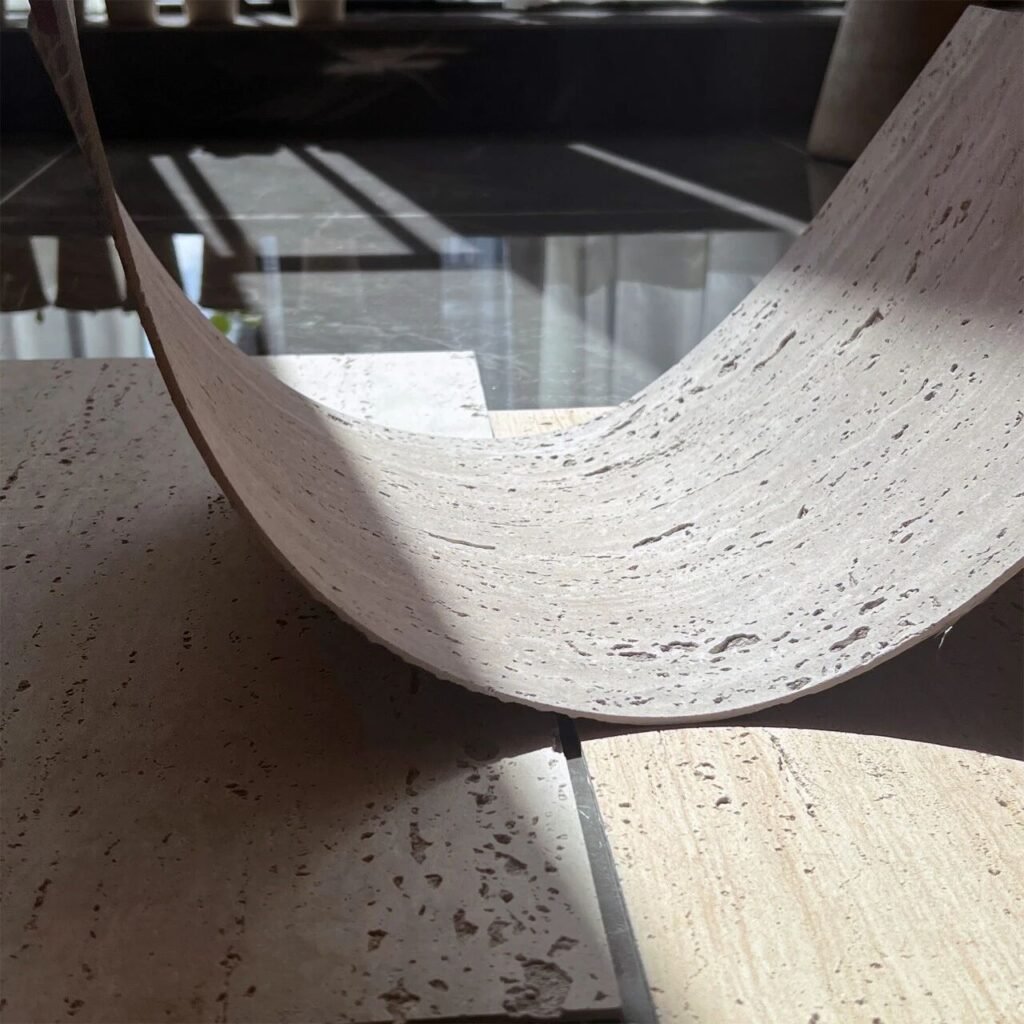
A flexible panel can conform to suitable curved surfaces more easily.

This can make flexible travertine particularly useful for:

  • Curved walls
  • Columns
  • Rounded corners
  • Radiused surfaces
  • Sculptural feature walls

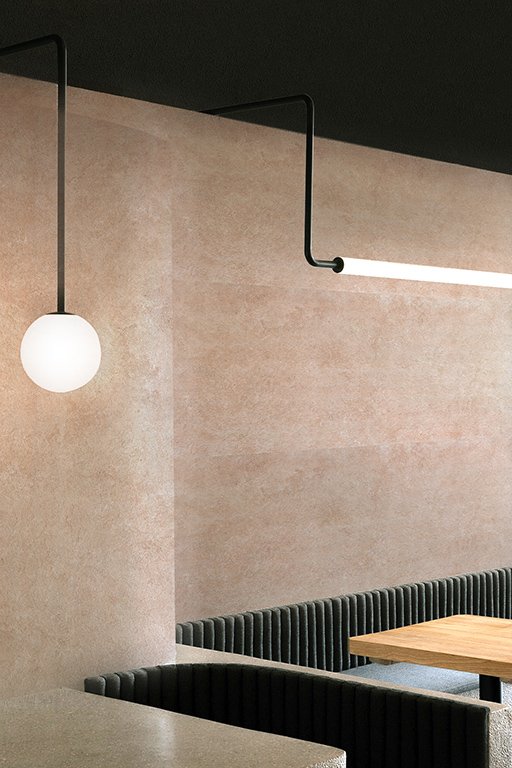
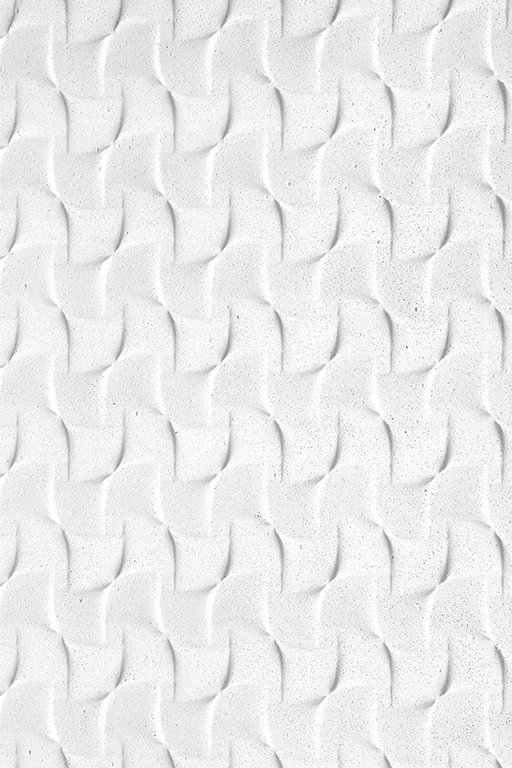
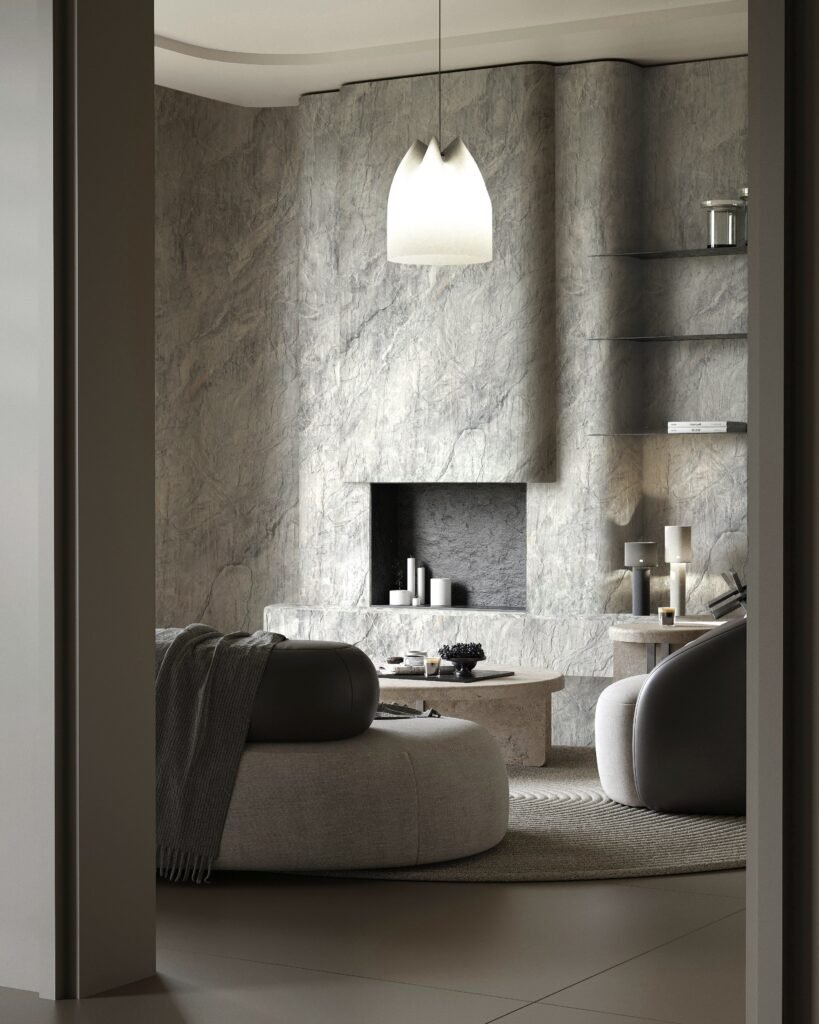
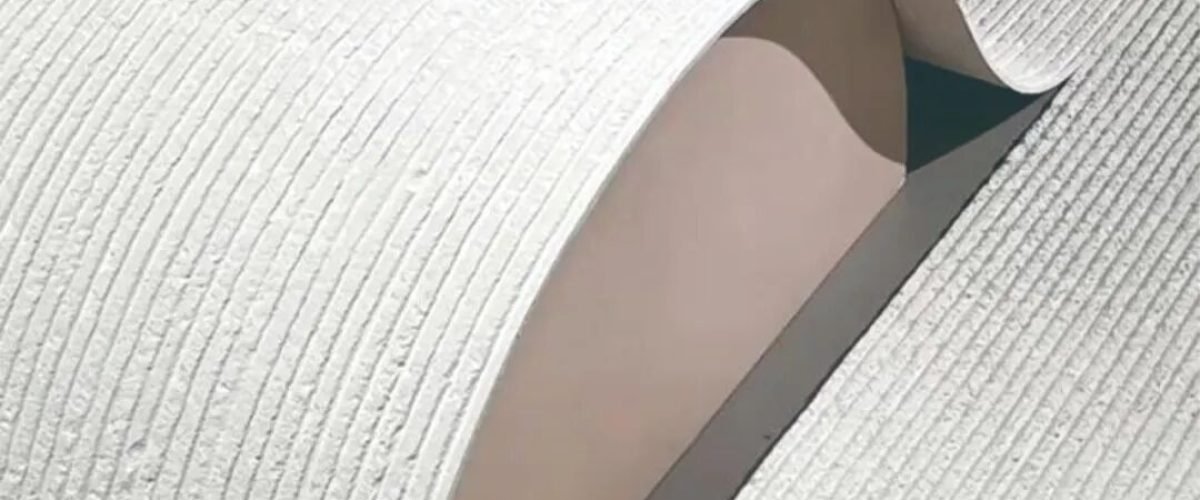
The Grey White Travertine shown above demonstrates how flexible travertine can adapt to curved surfaces while maintaining its natural travertine appearance. [Explore Grey White Travertine →]

Performance and Testing

Material performance is an important consideration when selecting flexible travertine for a building project.

Depending on the product and test configuration, Romantic Stone has testing covering areas such as fire performance, artificial weathering, freeze-thaw resistance and mechanical performance.

The referenced testing includes a Grade A fire-performance result and a 2,000-hour accelerated aging test, with the material achieving a Class A reaction-to-fire classification according to EN 13501-1:2018.

Test results should be evaluated according to the specific product and test configuration. Contact Romantic Stone for the applicable technical data sheets and test reports.

Can Flexible Travertine Be Used Outdoors?

Selected flexible travertine products can be used for exterior applications when the product specification and installation system meet the project requirements.

For a detailed discussion of weathering, freeze-thaw, moisture, UV exposure and exterior installation, see our guide to Why Can Flexible Stone Be Used Outdoors?.

What Should Buyers Consider When Sourcing Flexible Travertine?

For a project, buyers should look beyond appearance and compare:

  • Material composition
  • Weight and thickness
  • Flexibility and application range
  • Fire and performance testing
  • Installation requirements
  • Technical documentation
  • Production and supply capability

For specific projects, Romantic Stone can provide applicable product specifications, technical data and test reports.
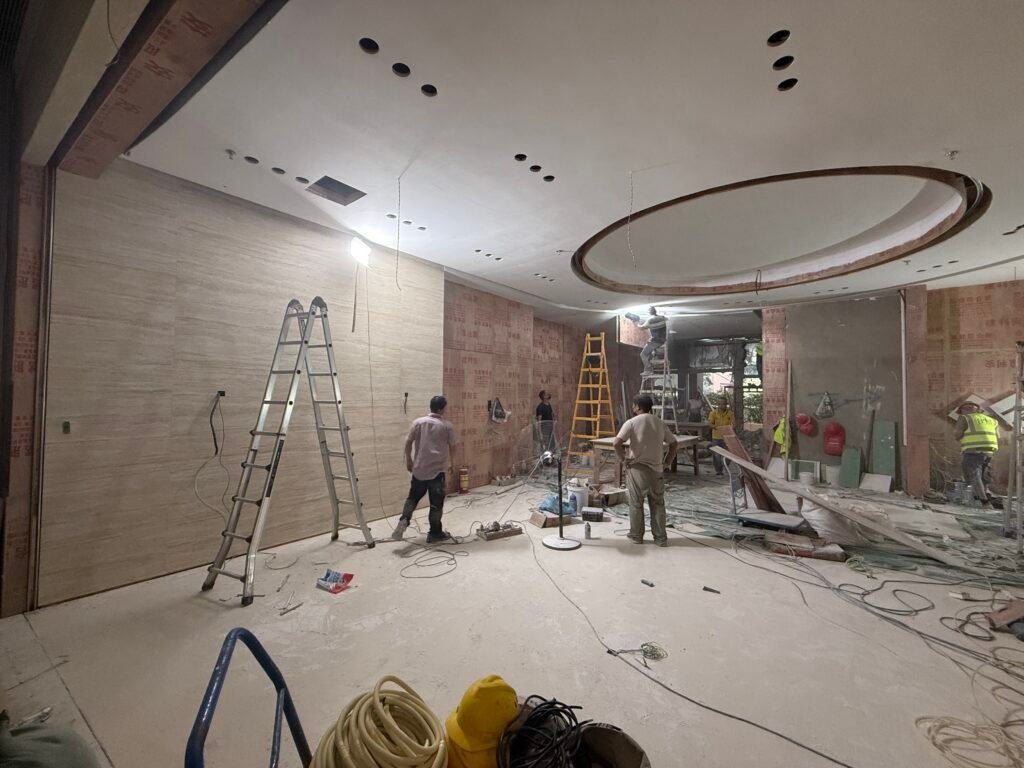
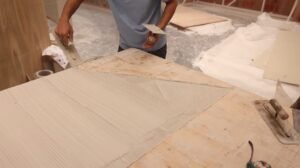
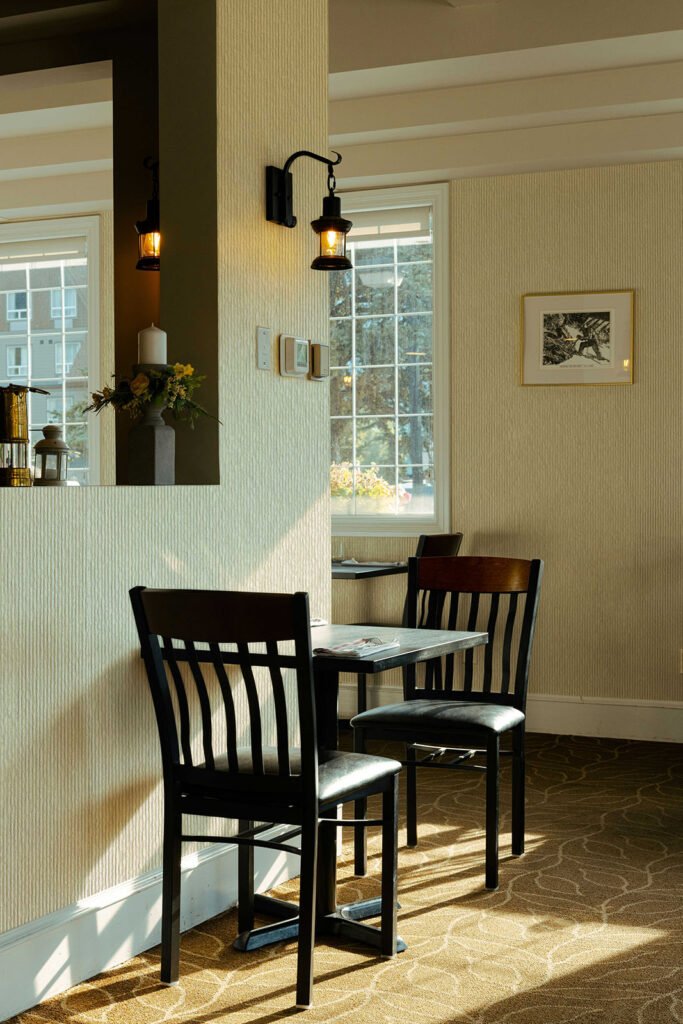
Flexible stone wall installation in a retail store

Which Is Better?

Neither traditional travertine tile nor MCM flexible travertine panels is the right choice for every project. The better option depends on the project’s material requirements, surface geometry, substrate, performance criteria, and installation conditions.

Choose travertine tile when:

  • you need traditional natural stone
  • the substrate can support higher loads
  • the application is mainly flat
  • you prefer conventional tile installation
  • you need travertine flooring

Choose flexible travertine panels when:

  • weight reduction matters
  • the project includes curved walls or columns
  • installation efficiency is important
  • transportation weight is a concern
  • you’re working with existing walls
  • you need large-format lightweight wall surfaces
  • the application is primarily wall cladding

Frequently Asked Questions

Are flexible travertine panels lighter than natural travertine?
Yes. Flexible travertine panels are significantly lighter than traditional natural travertine tile, making them easier to handle and suitable for lightweight wall cladding applications.
Can flexible travertine panels be used on curved surfaces?
Yes. Their flexibility allows selected products to be applied to curved surfaces, rounded corners and other non-flat areas where rigid travertine tile may be difficult to install.
Can flexible travertine panels be used outdoors?
Selected products can be used for exterior applications when the product specification and installation system meet the project requirements. See our guide to Why Can Flexible Stone Be Used Outdoors? for more details.
Are flexible travertine panels real stone?
Flexible travertine panels are not solid natural travertine tile. They are made from Modified Clay Material (MCM) and designed to reproduce the natural texture and appearance of travertine in a lightweight, flexible format.


Share:

More Journal

Exploring new materials for your next project?

Send Us A Message

Start with Ramantic Stone

Many see stone as a surface. Few experience it as a new architectural possibility.
Looking for architectural wall panels for your next project?

Curious About a New Material?

Whether you’re looking for a lighter architectural surface, exploring flexible stone for your next project, or interested in solutions with a lower carbon footprint, we’d be happy to talk.

Tell us about your project. Let’s explore what’s possible with Romantic Stone.